Air-India’s Maharaja: Advertising Gone Rogue
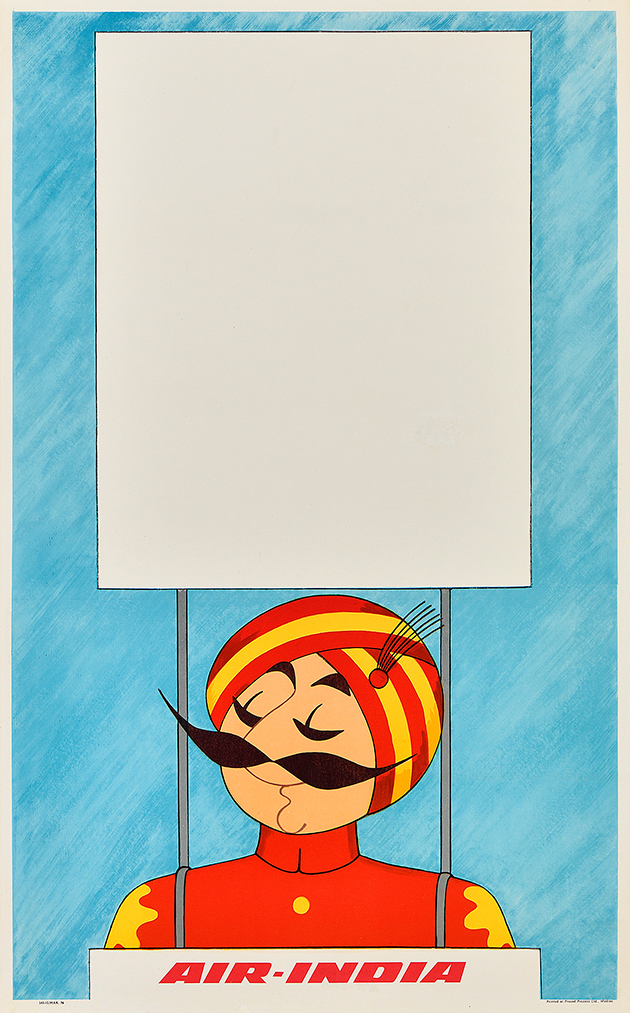
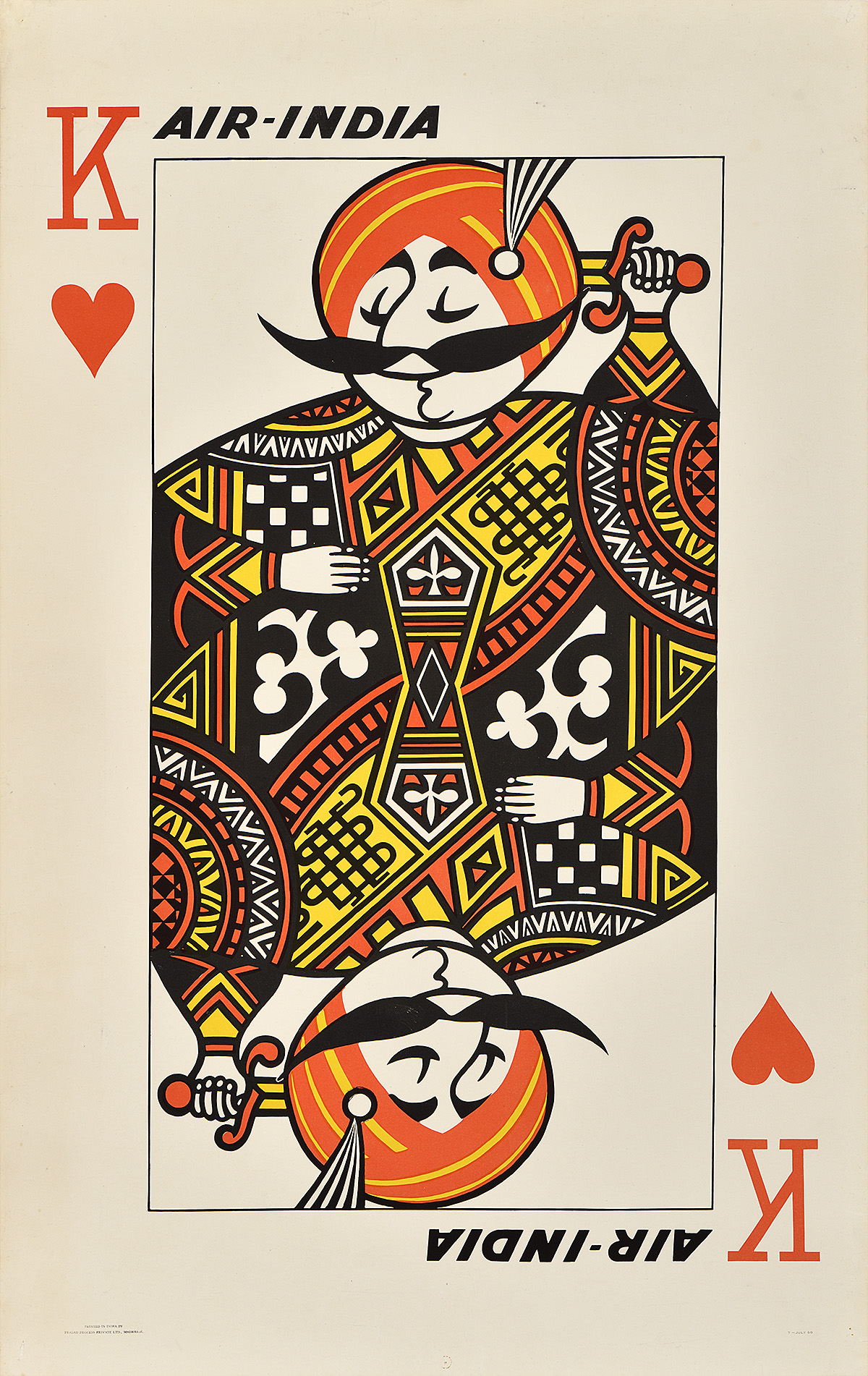
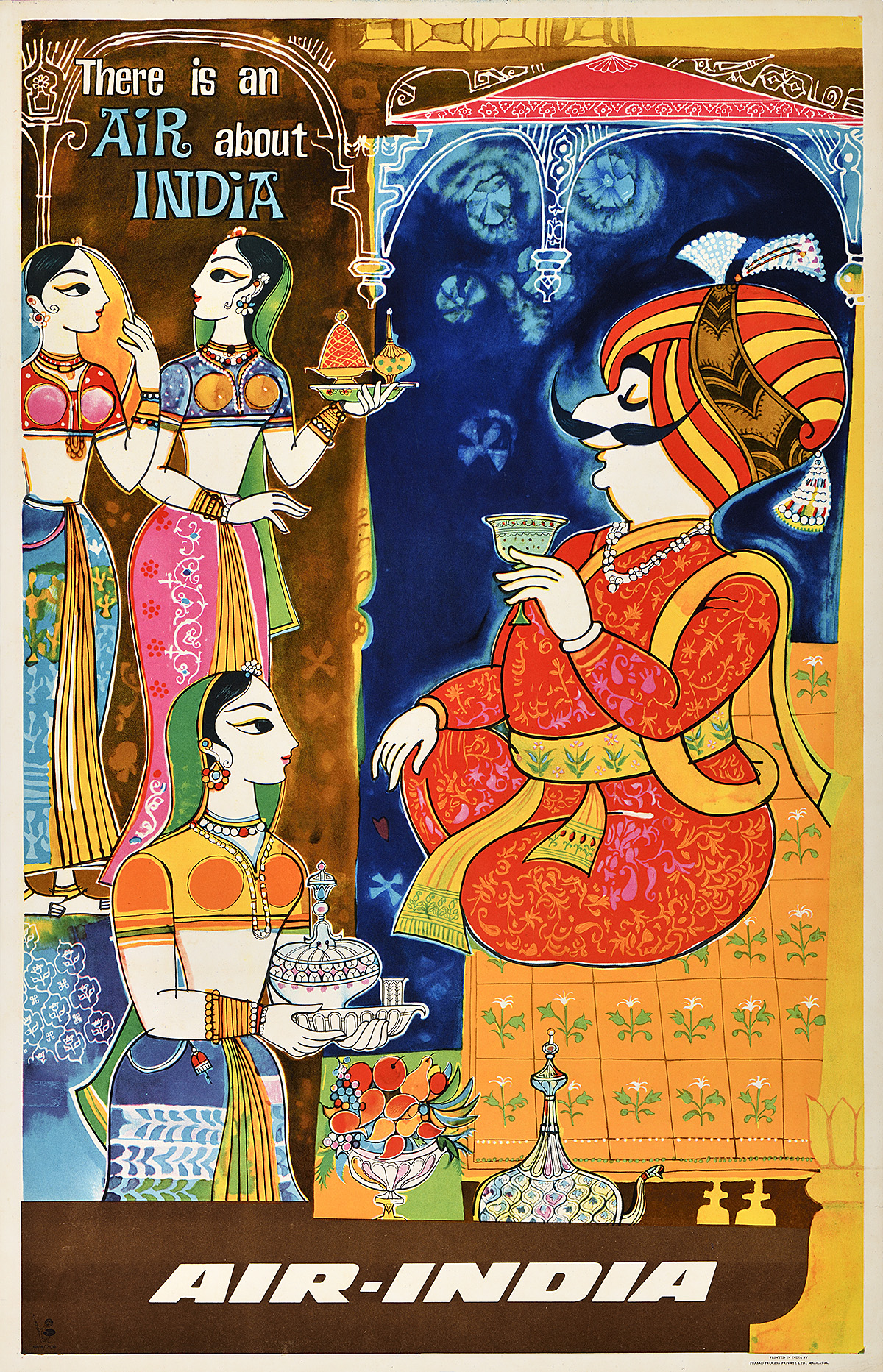
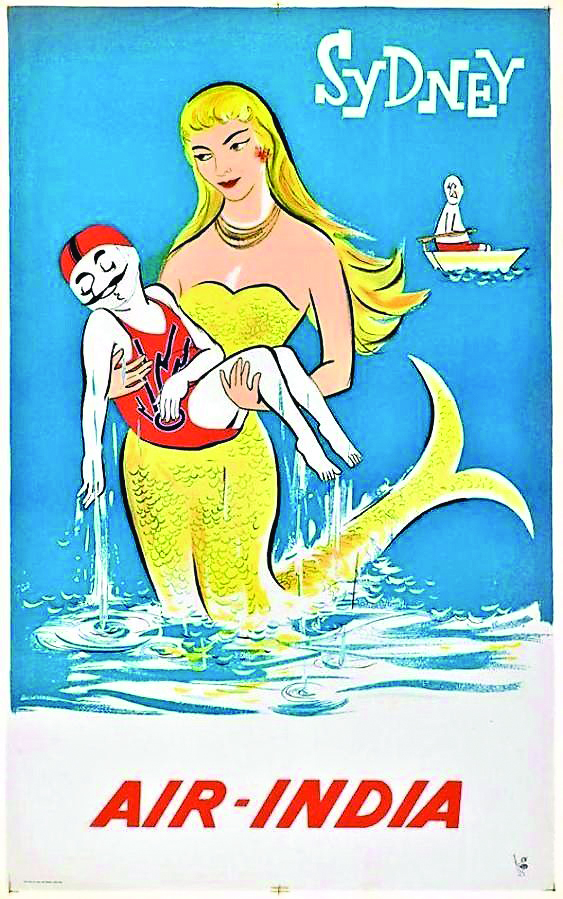
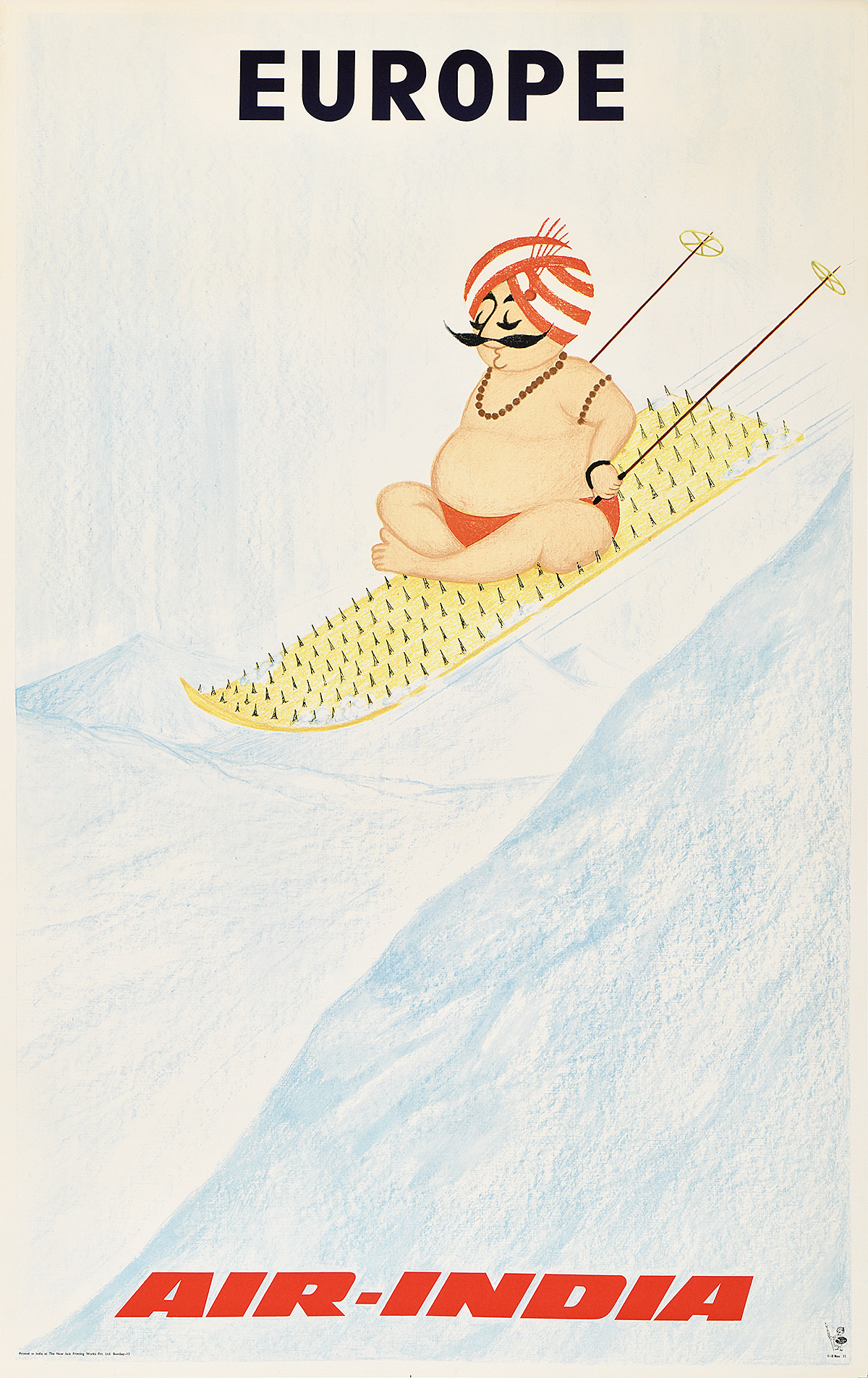
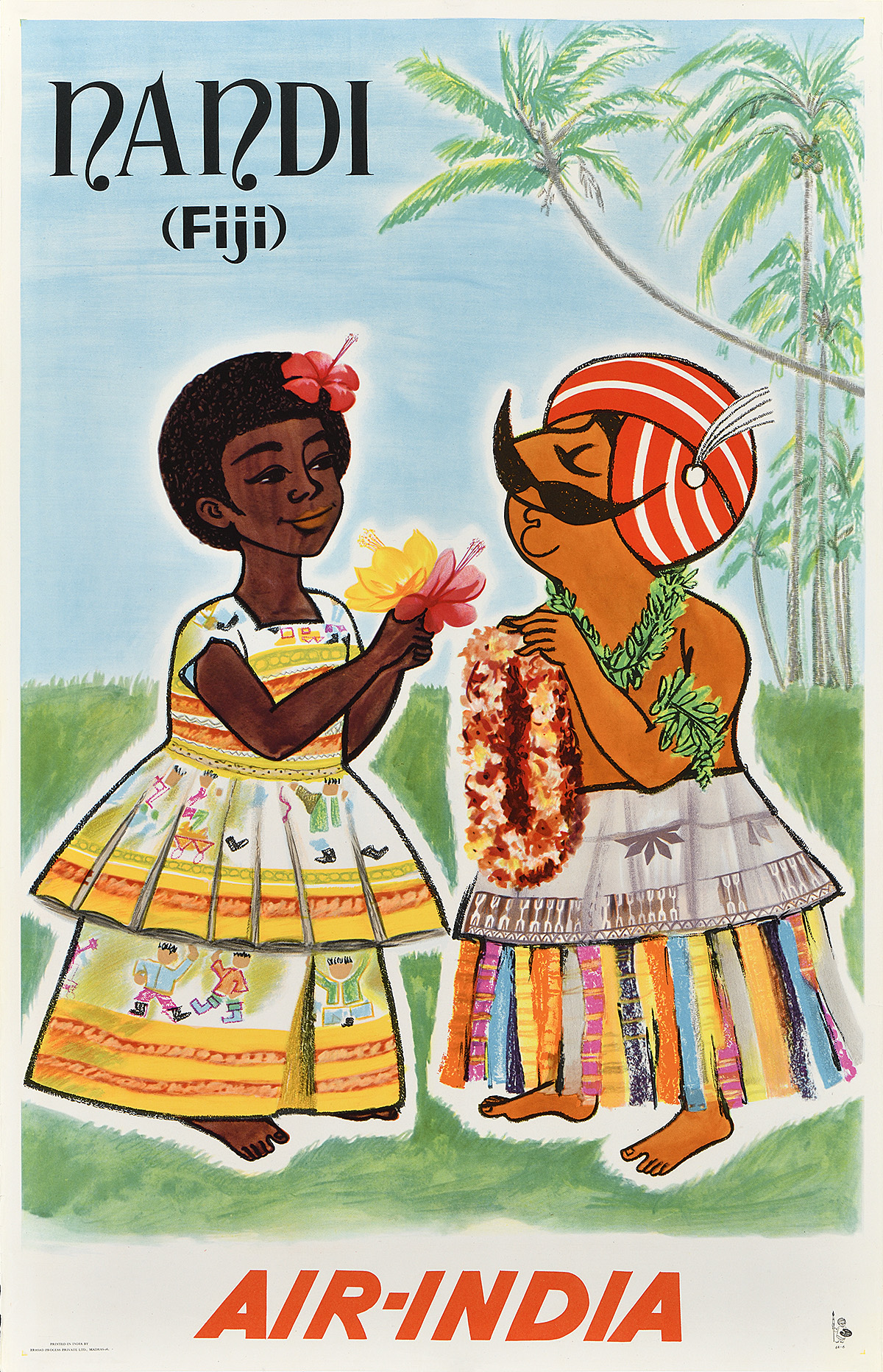
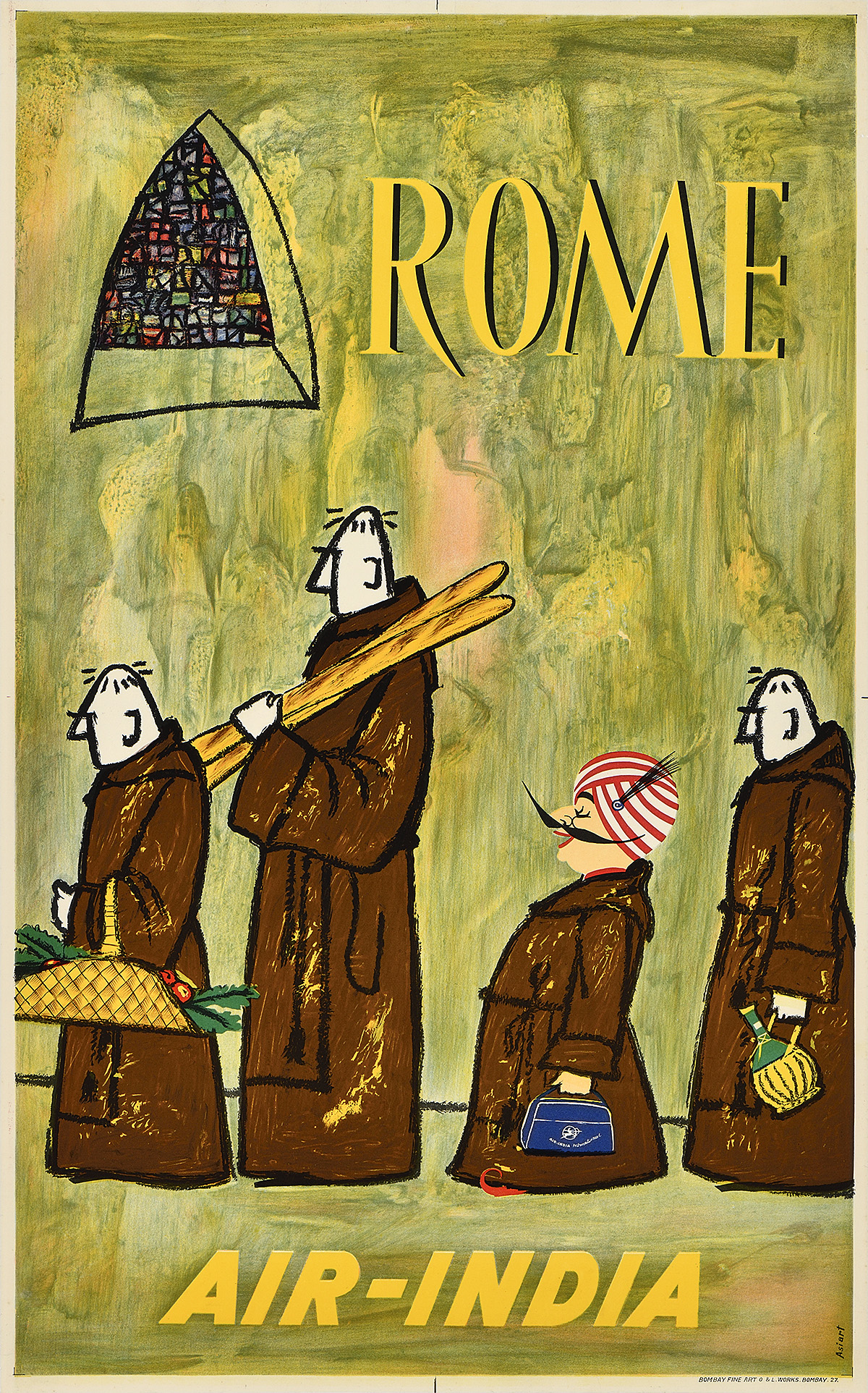
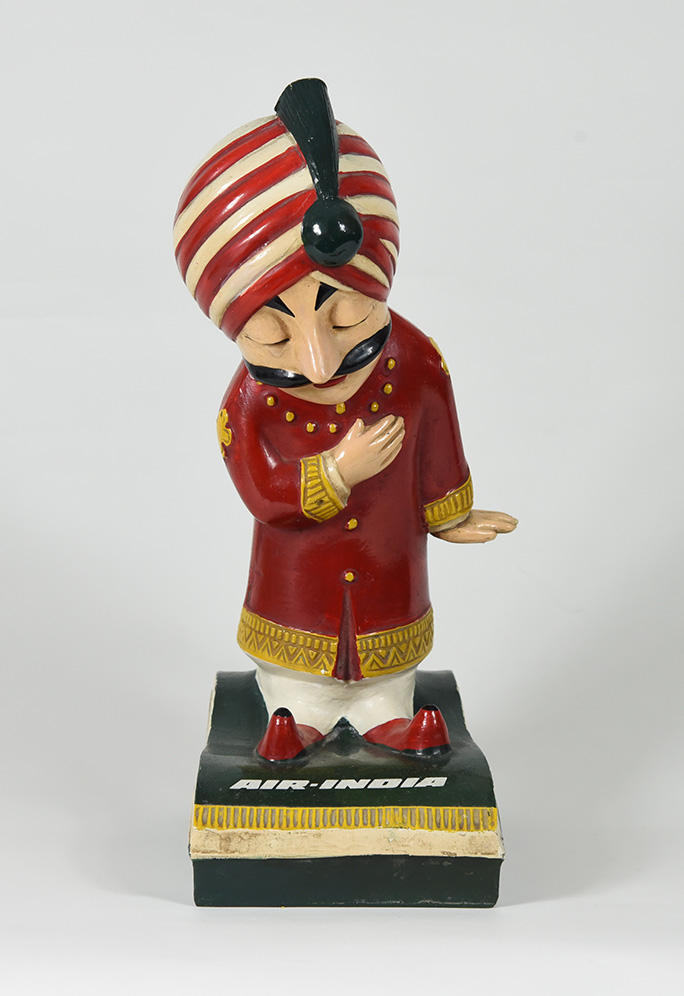
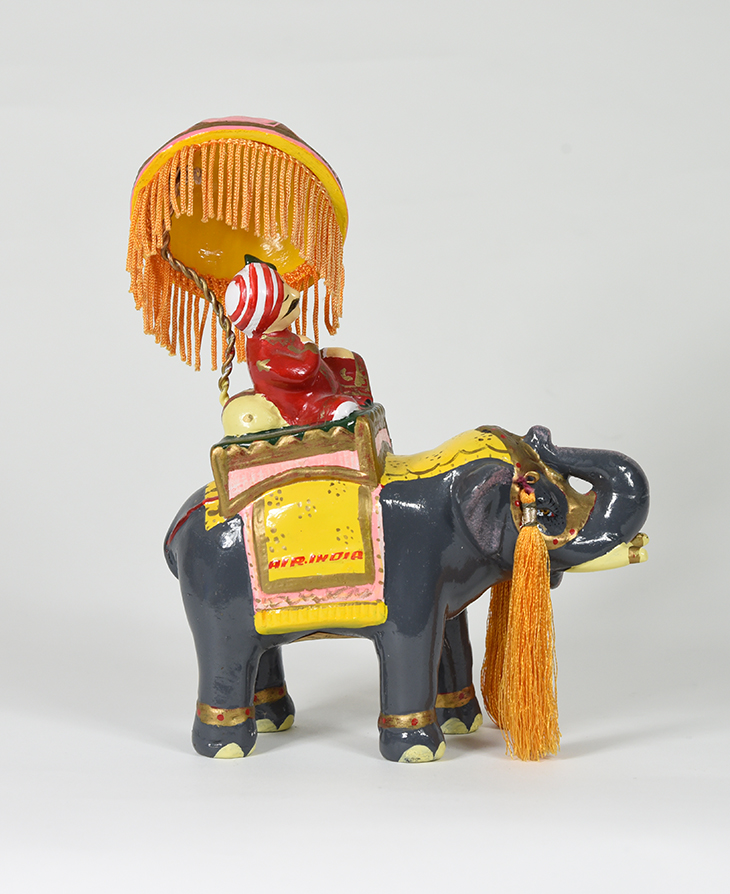
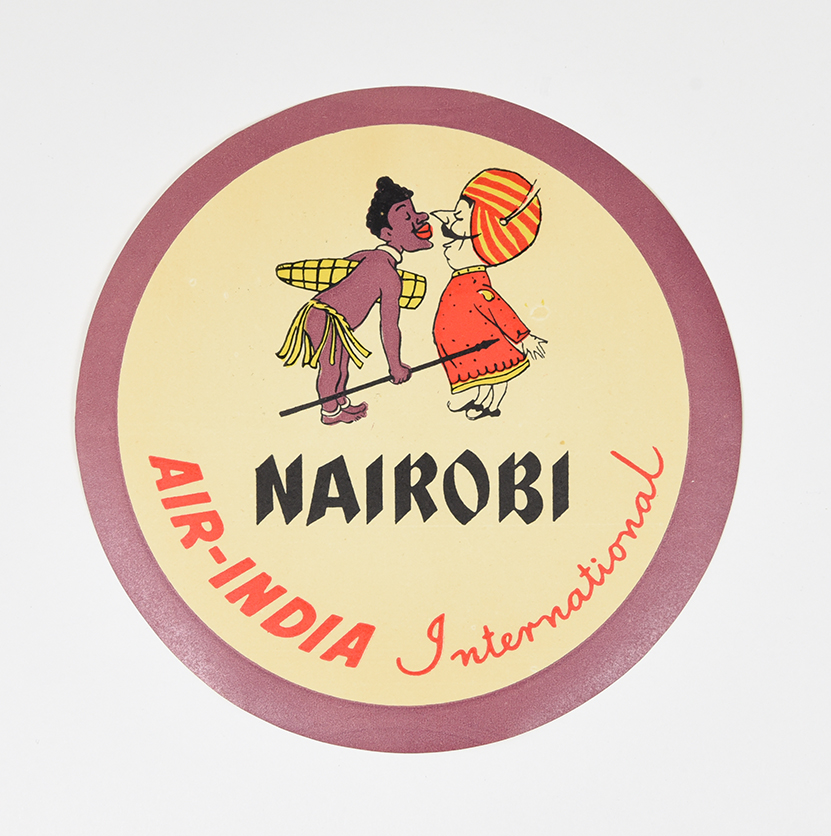
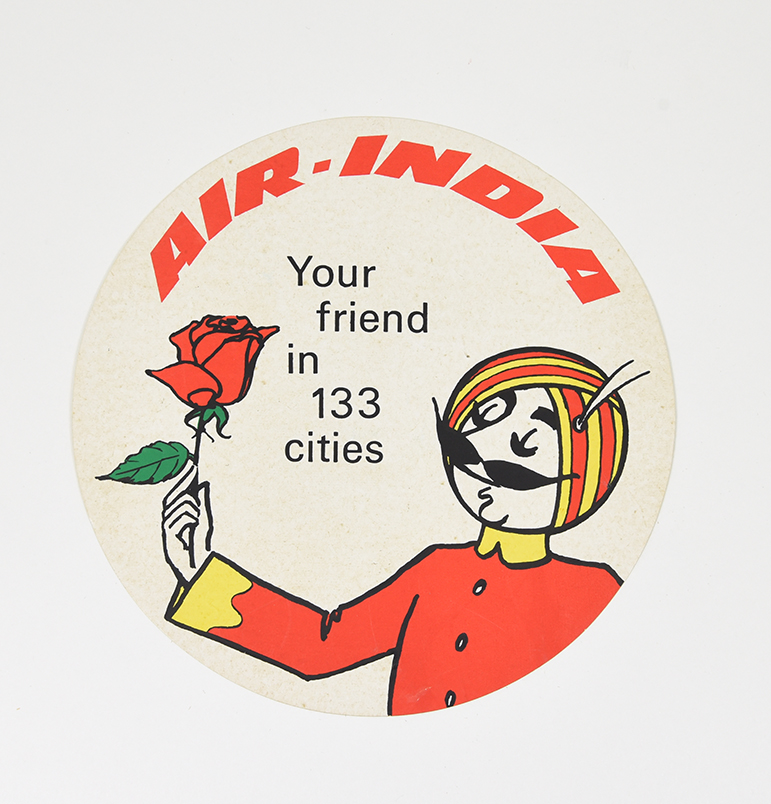
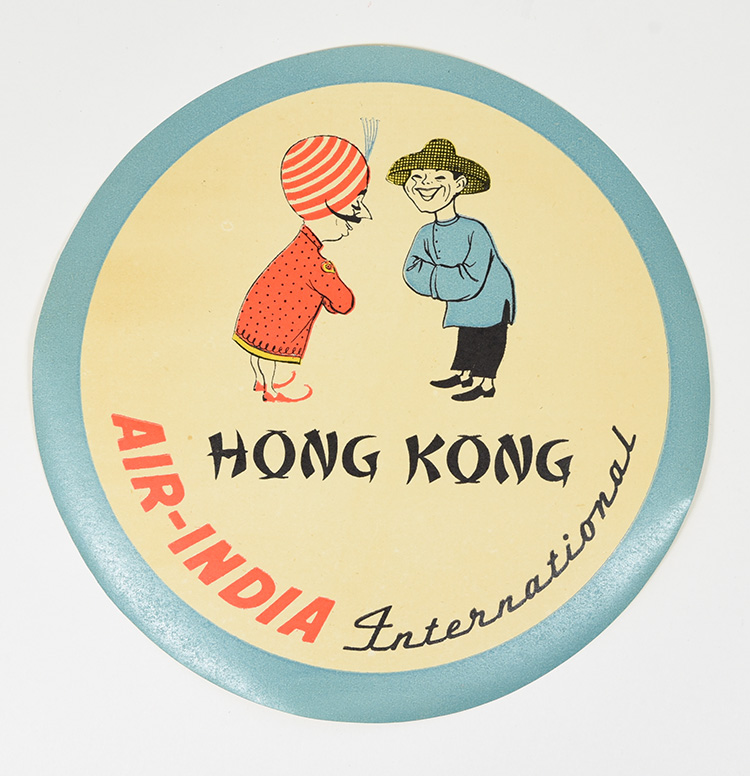
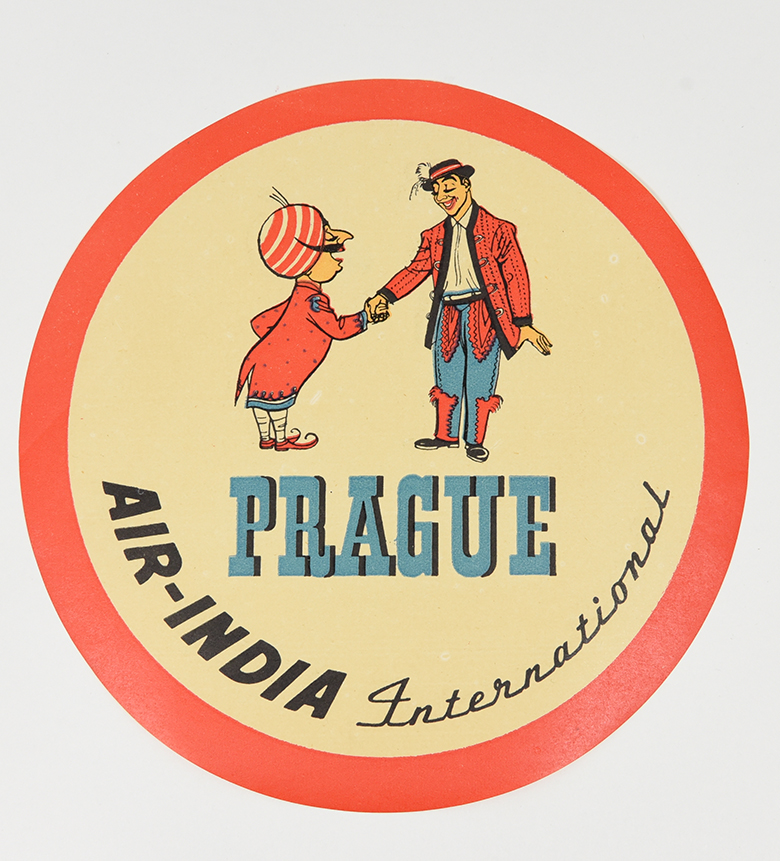
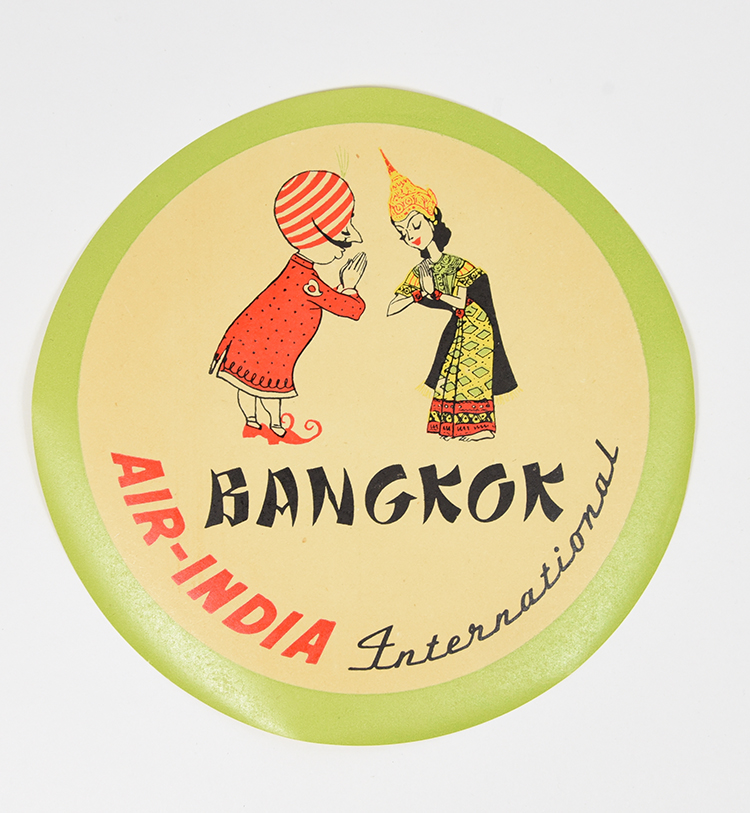
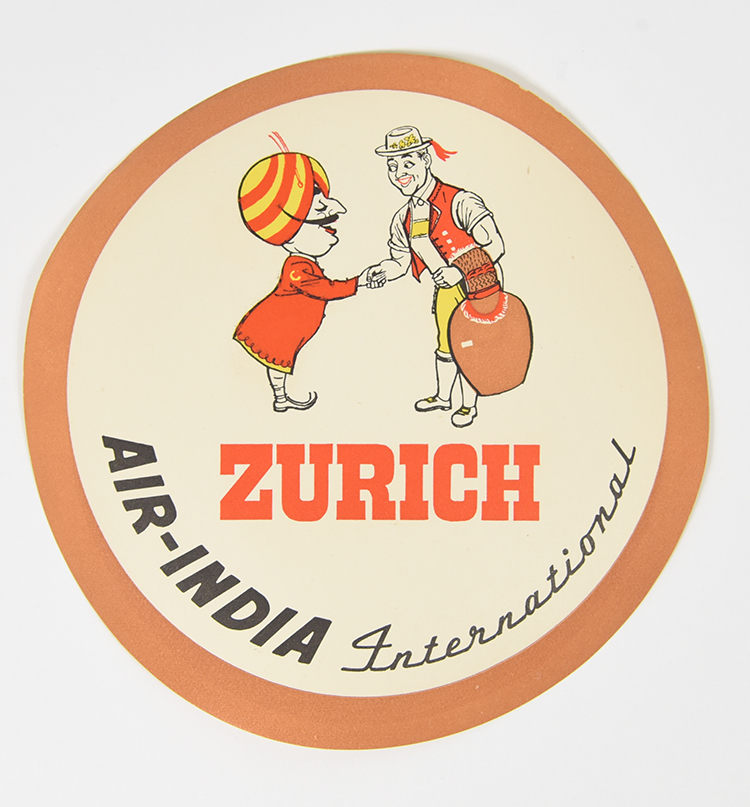
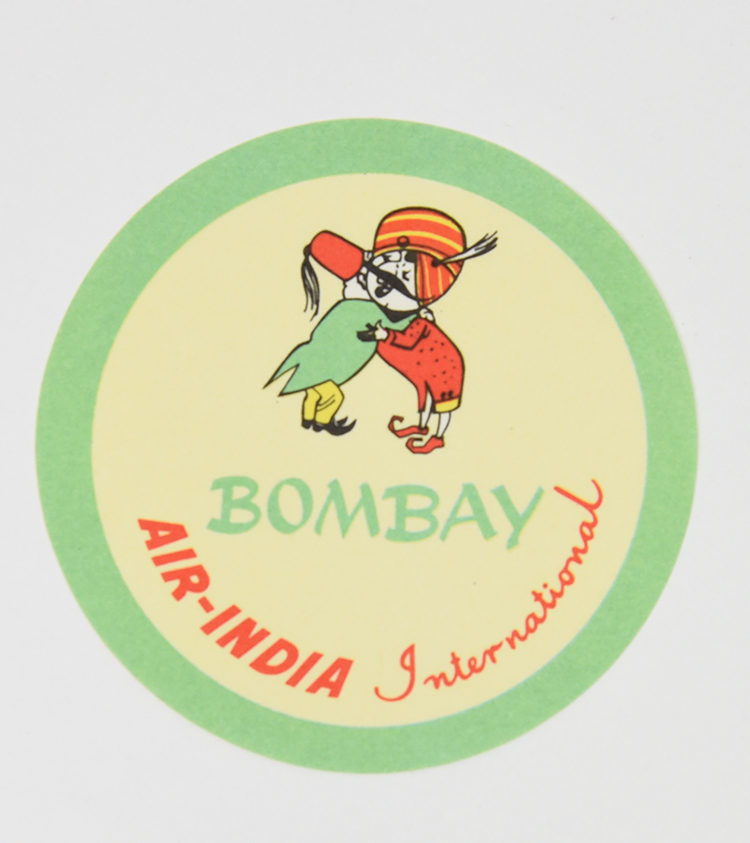
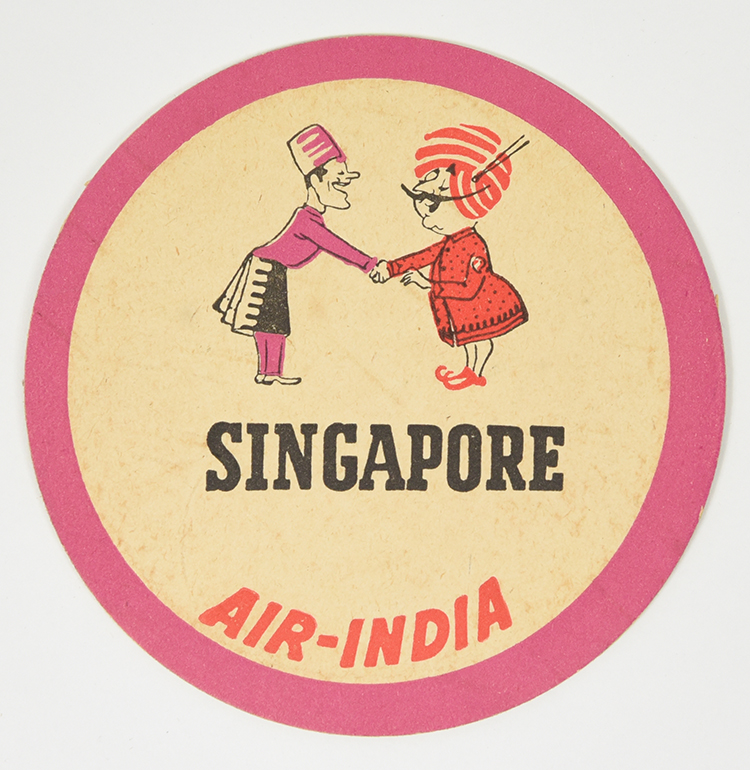
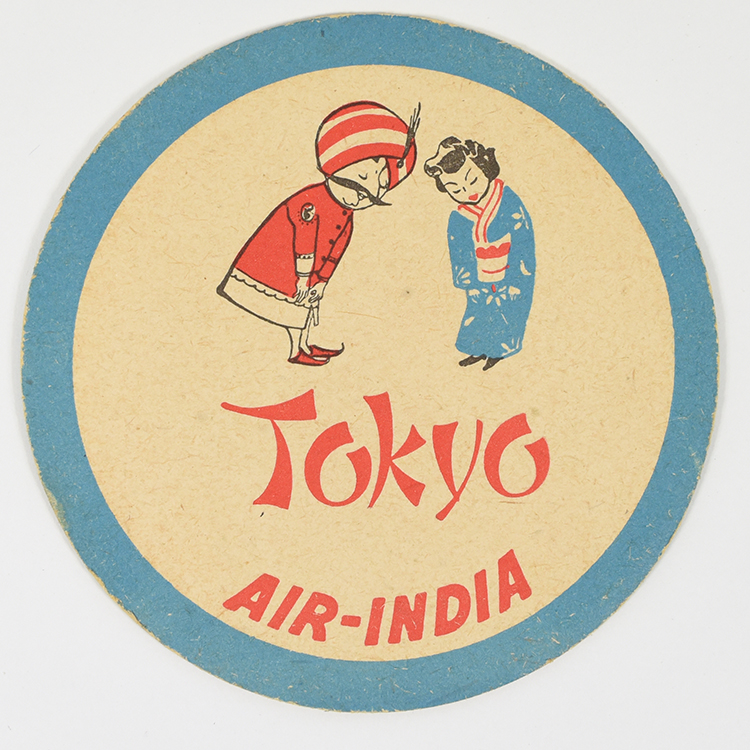
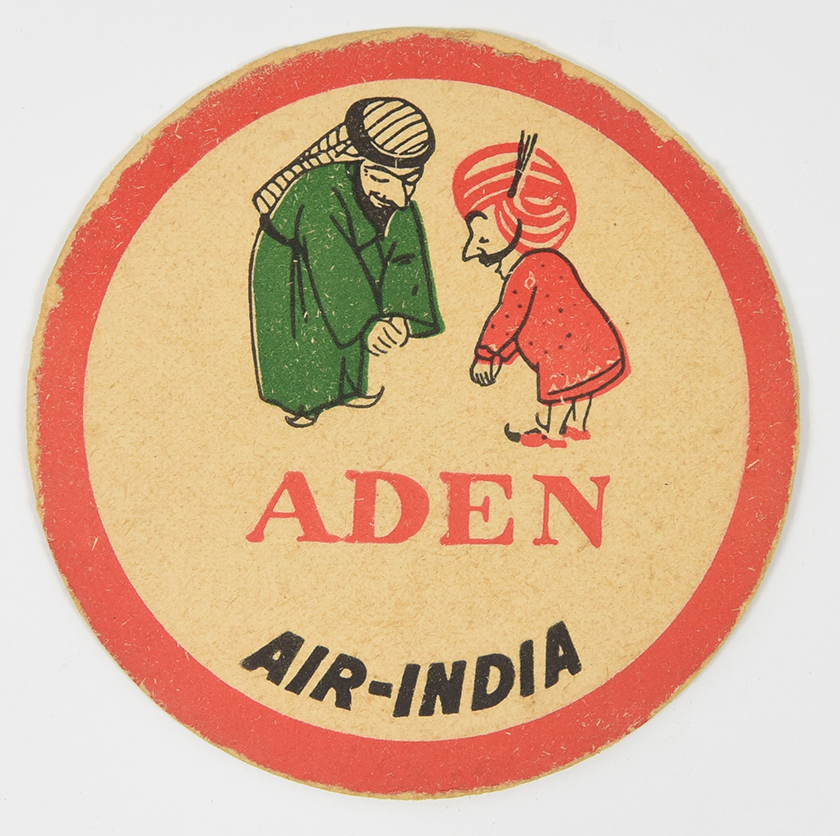
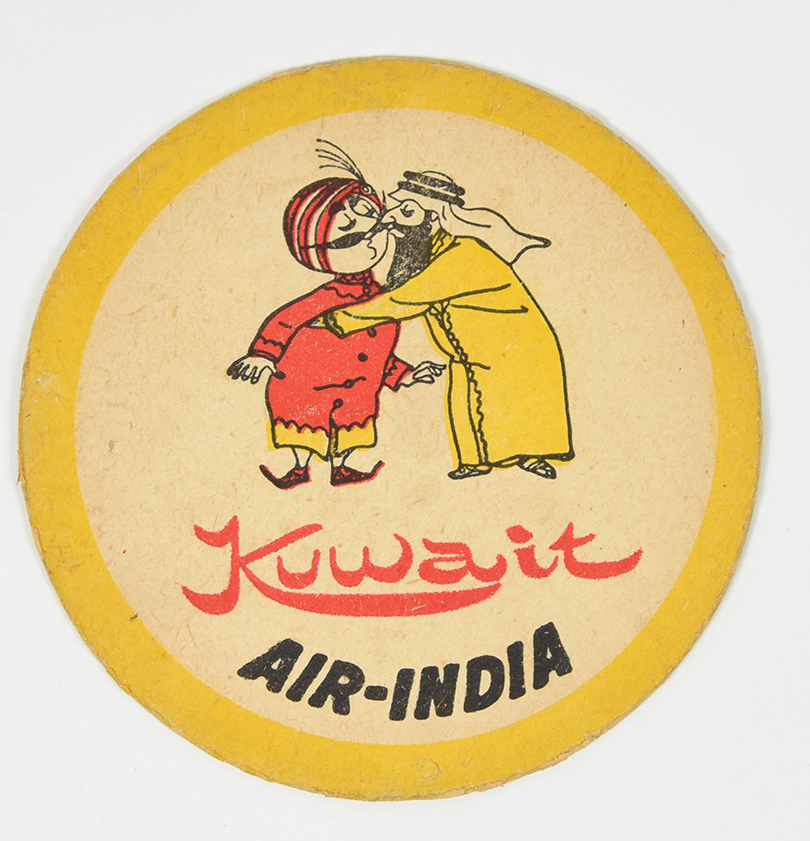
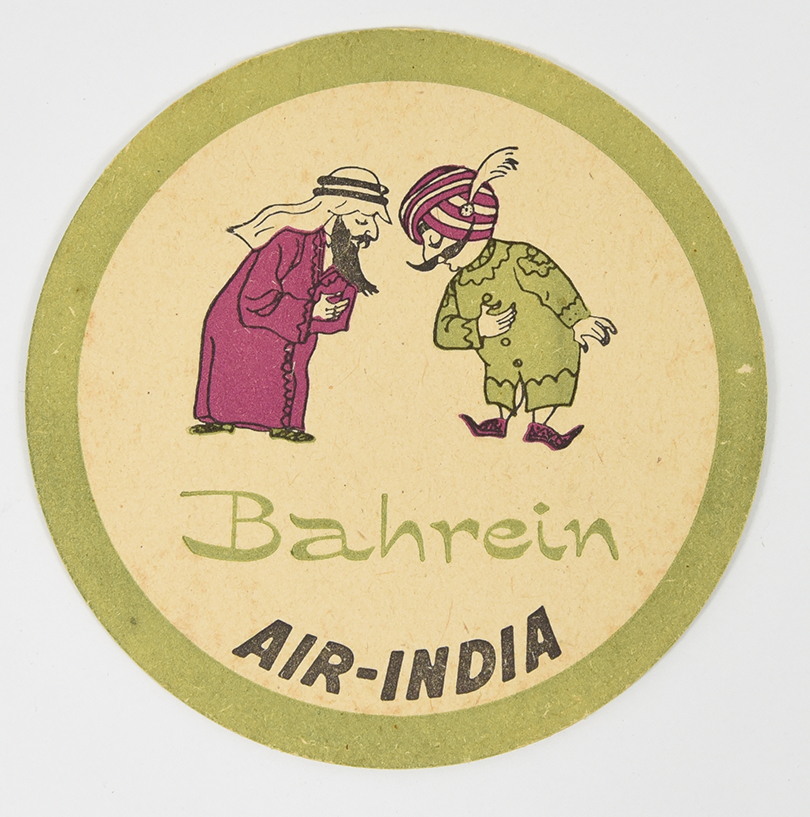
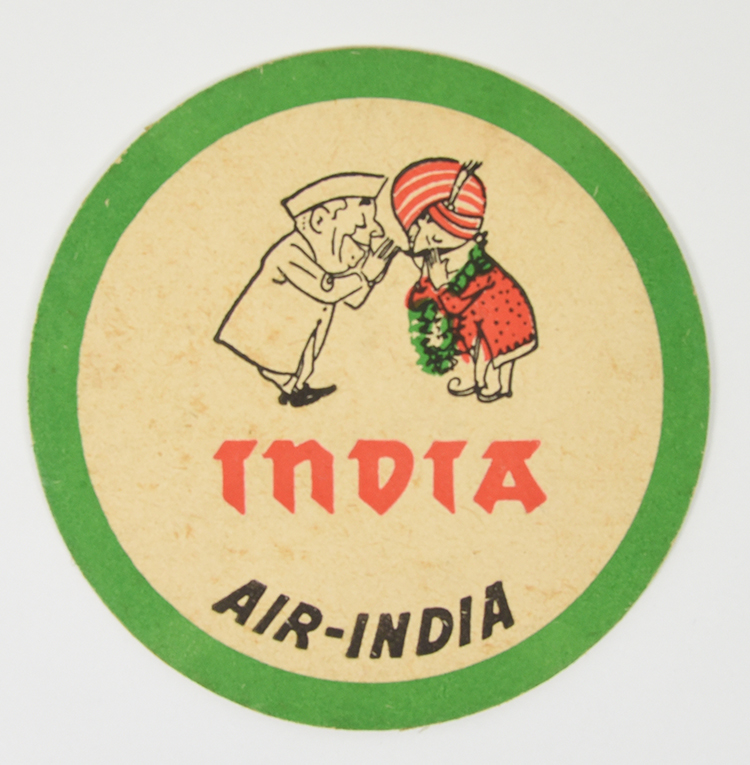
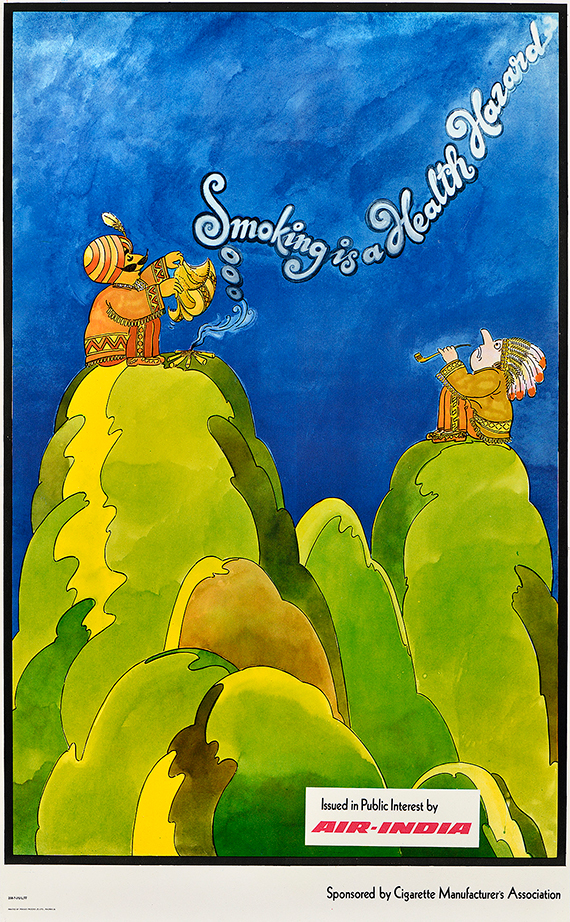
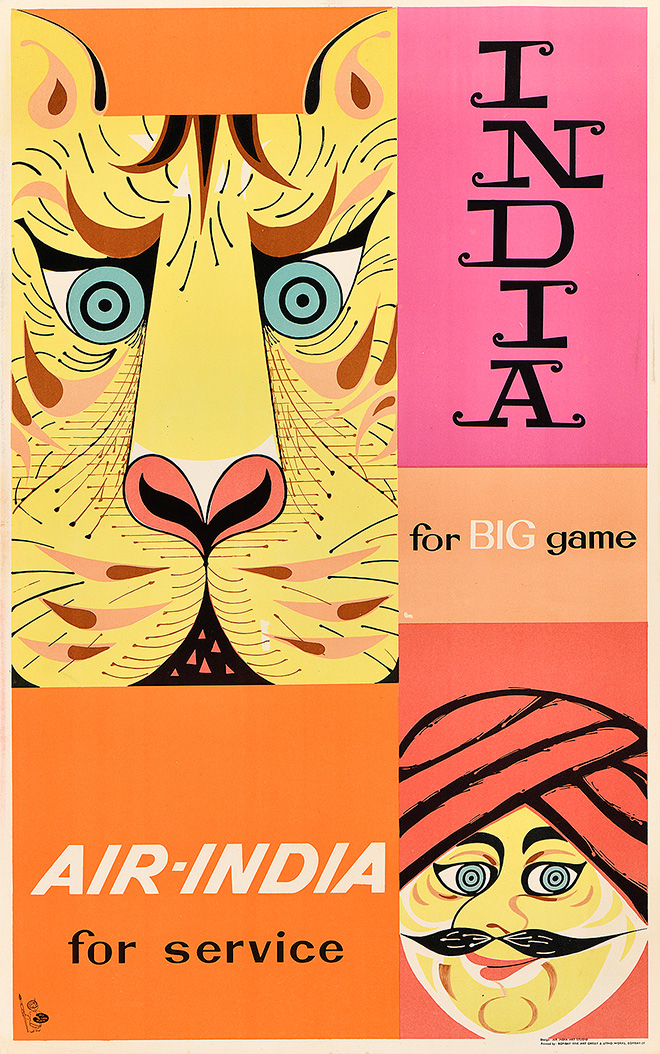
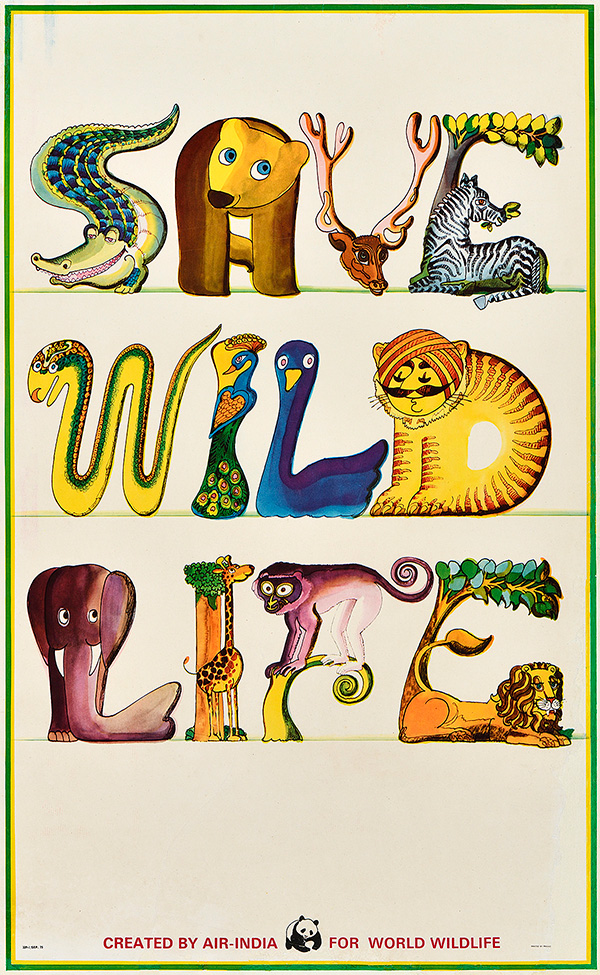
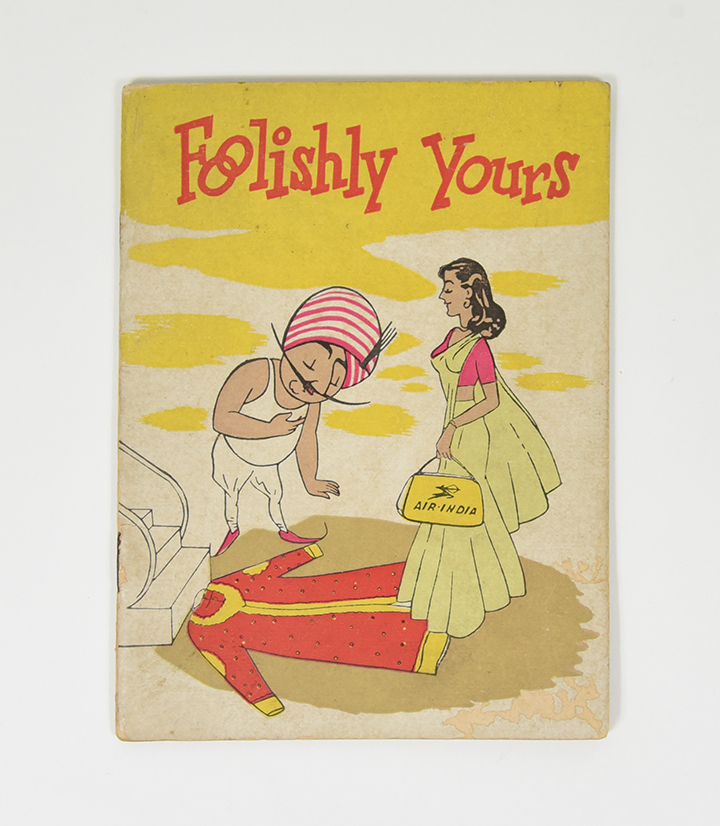
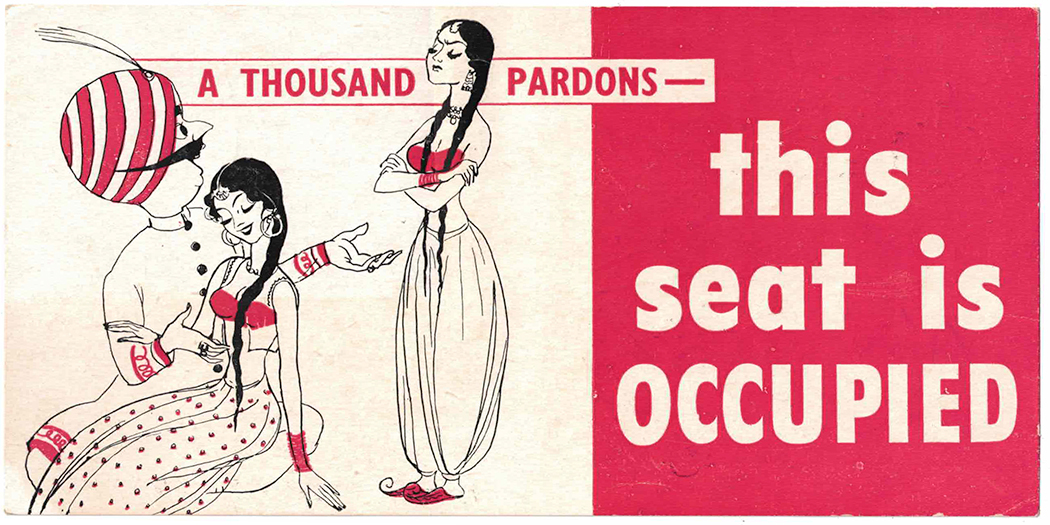
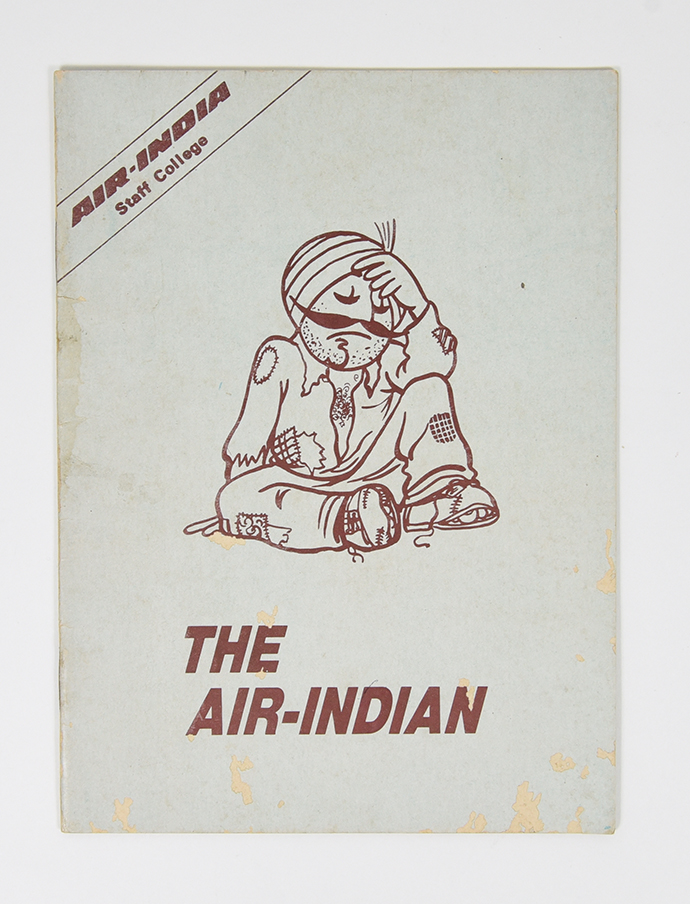
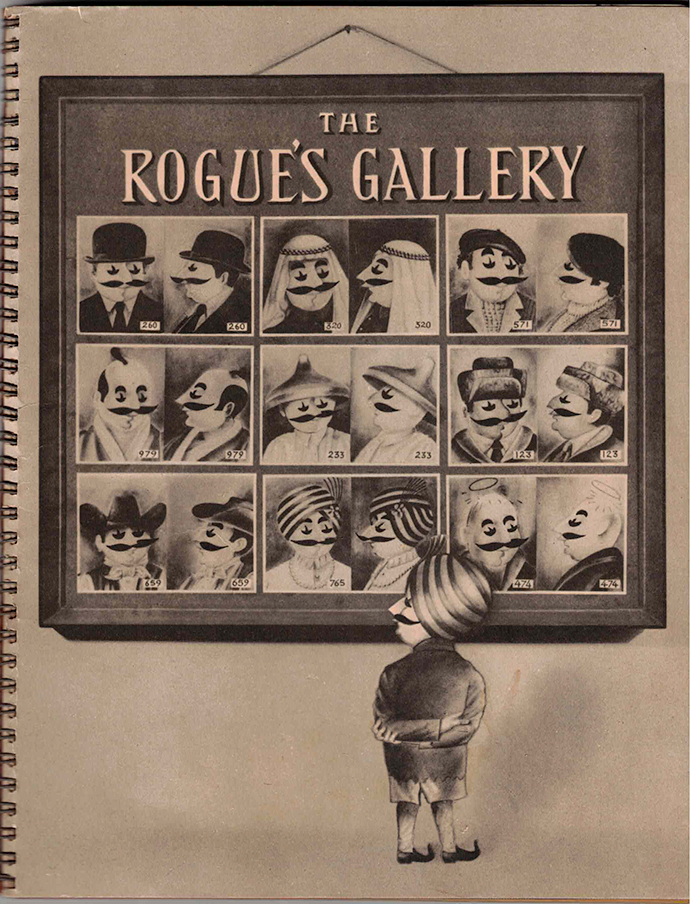
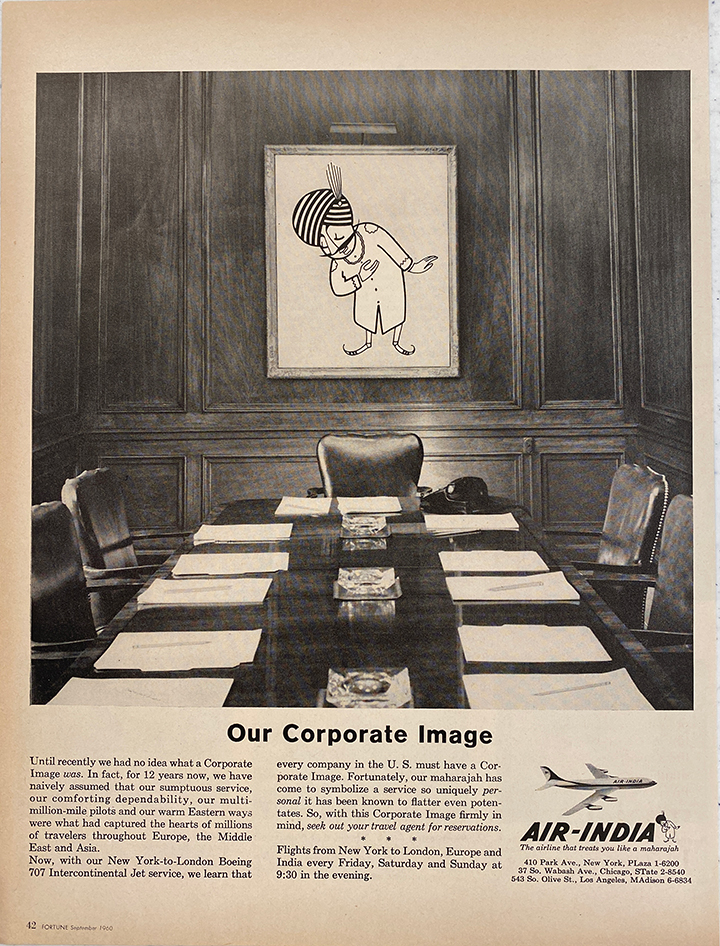
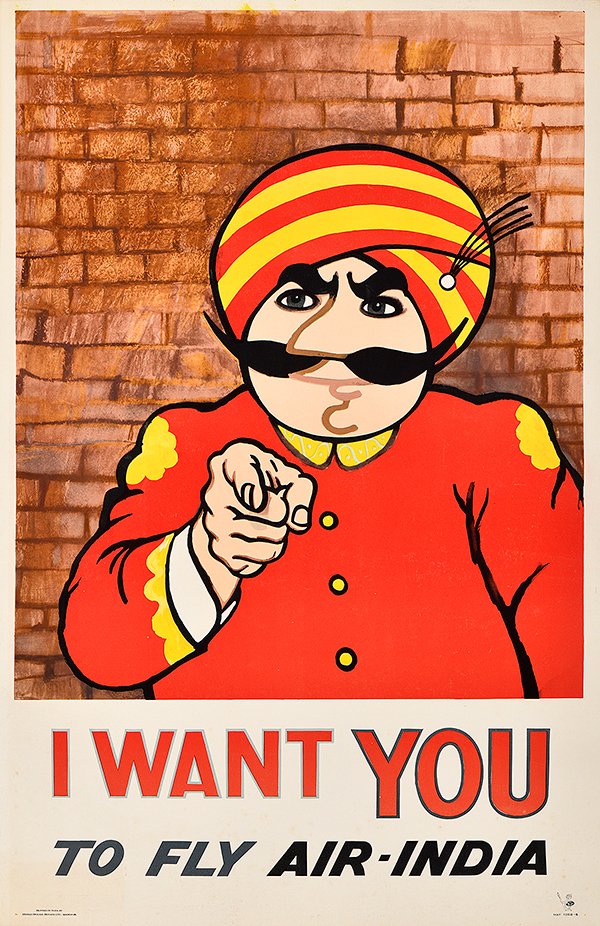
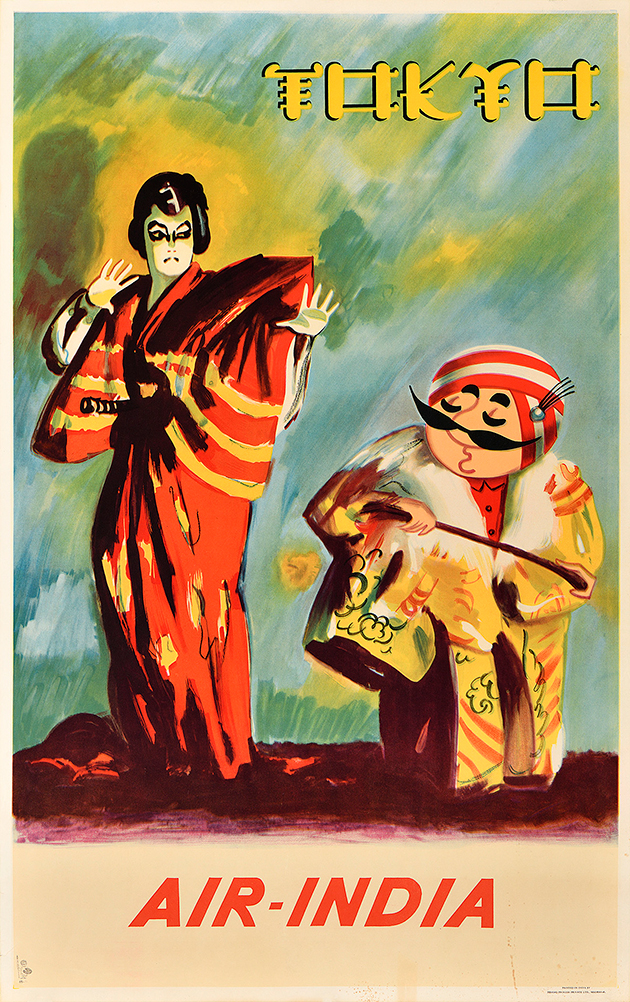
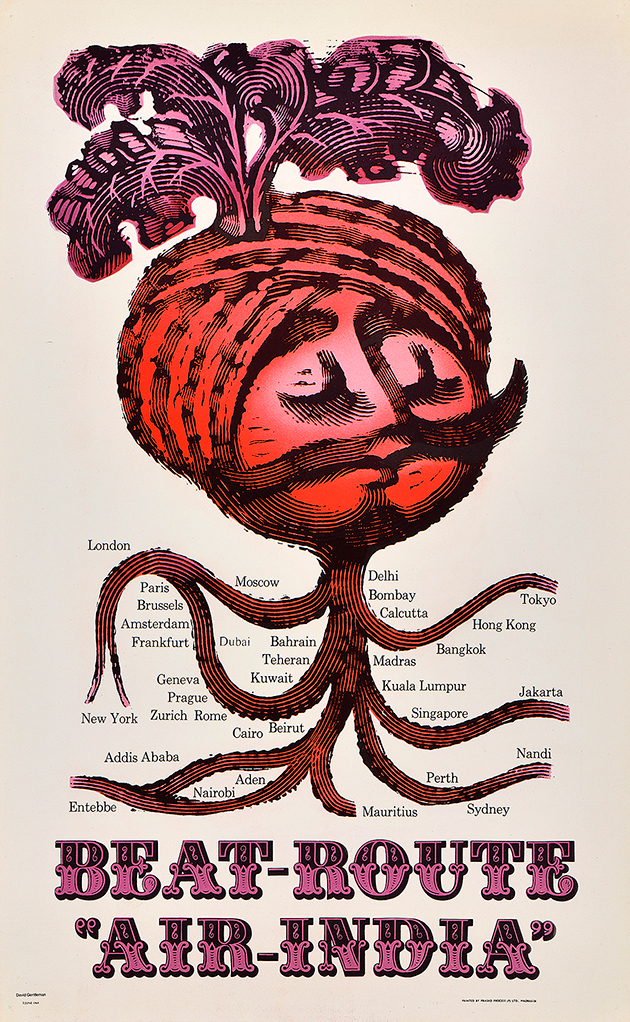
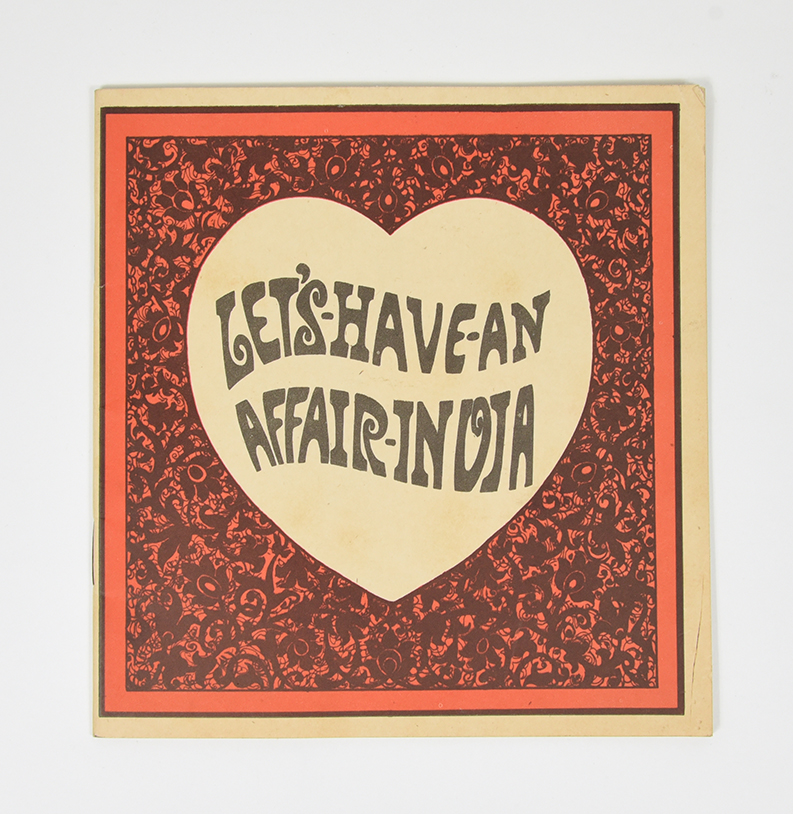
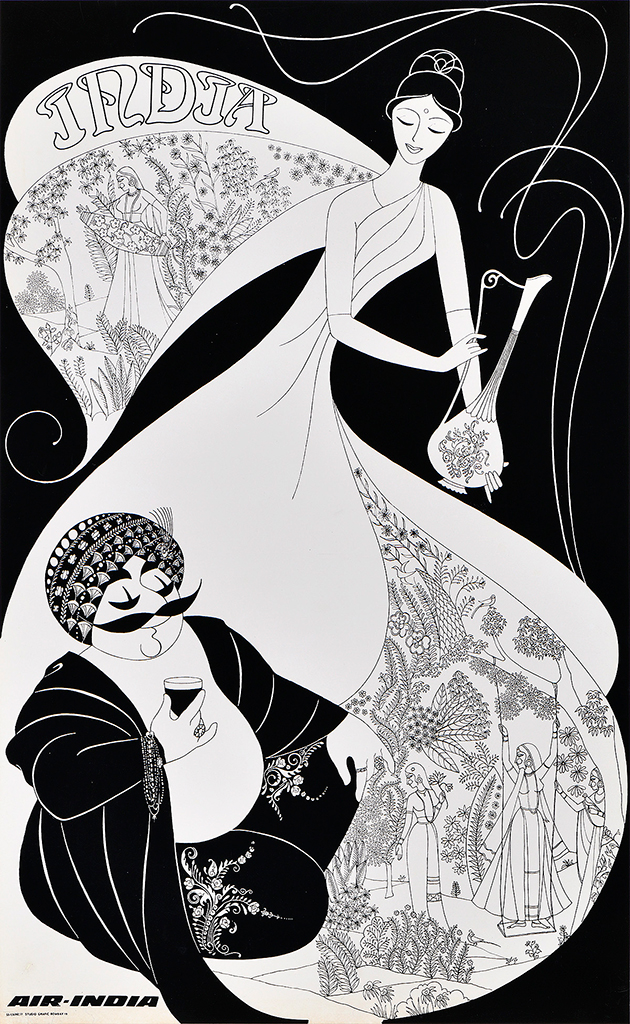
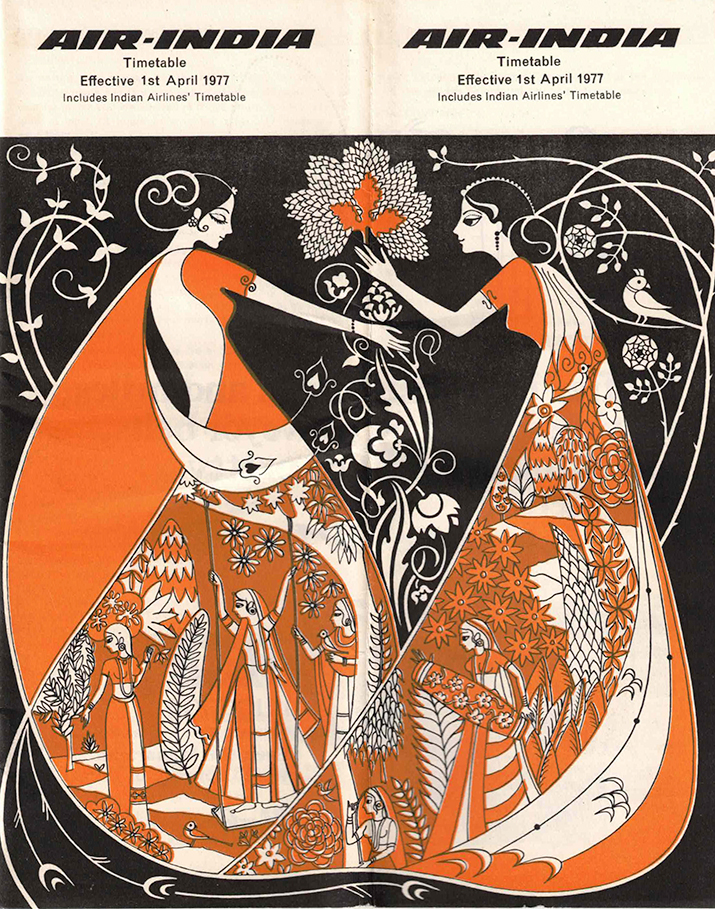
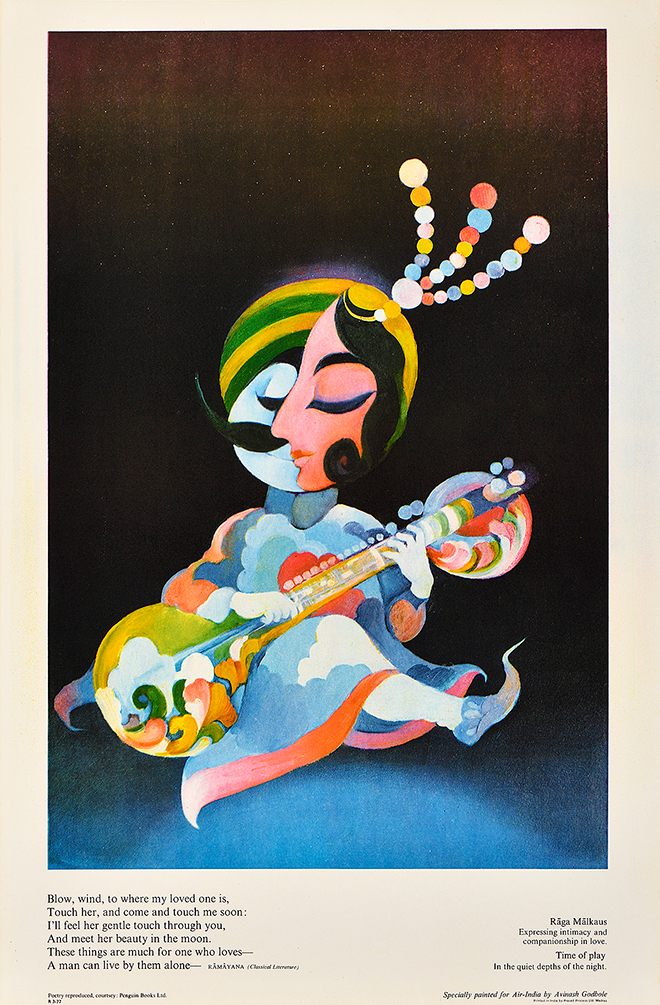
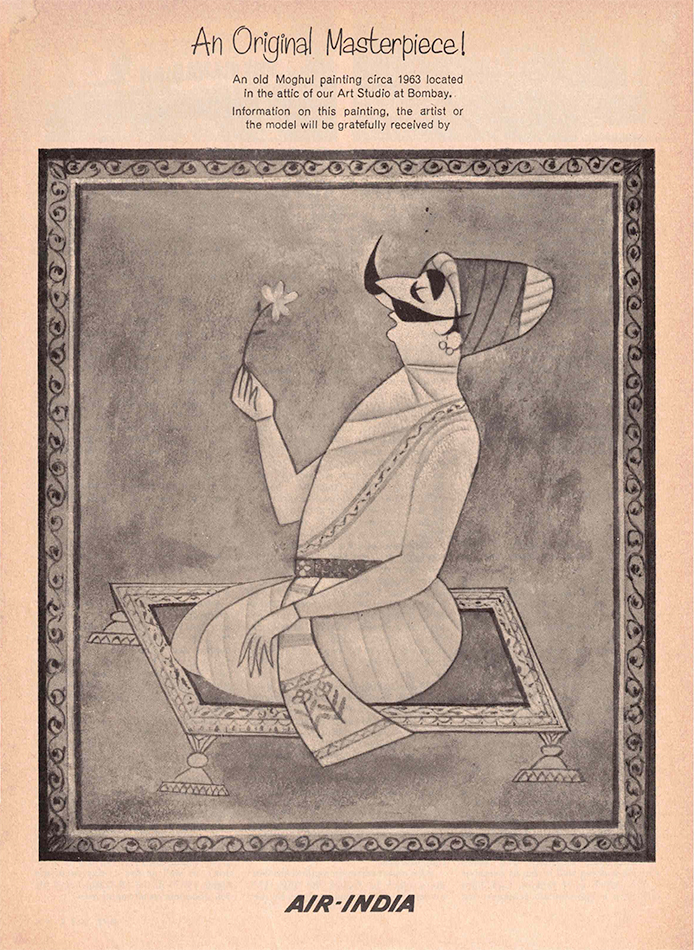
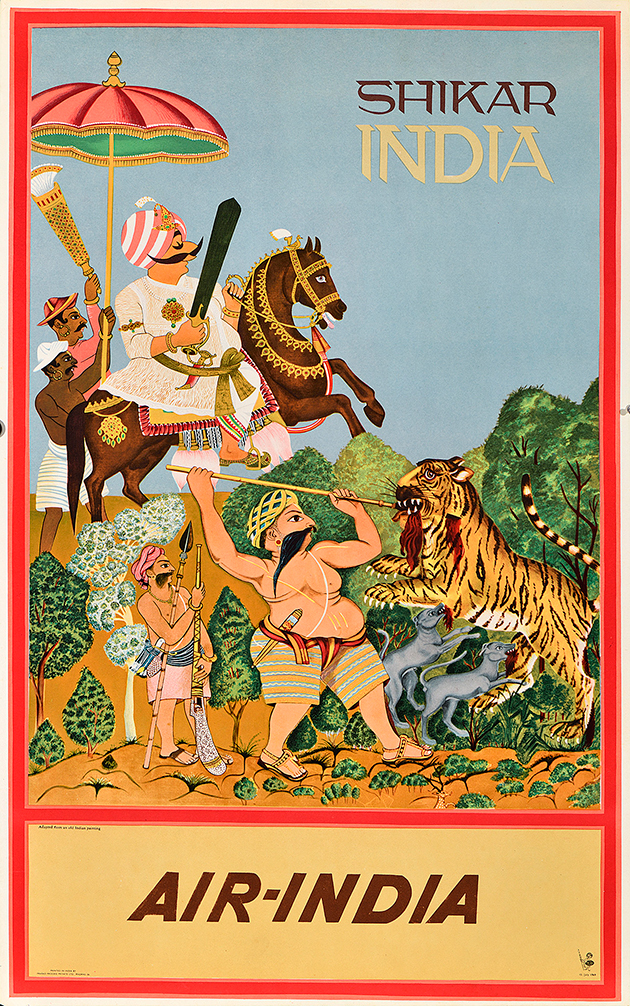
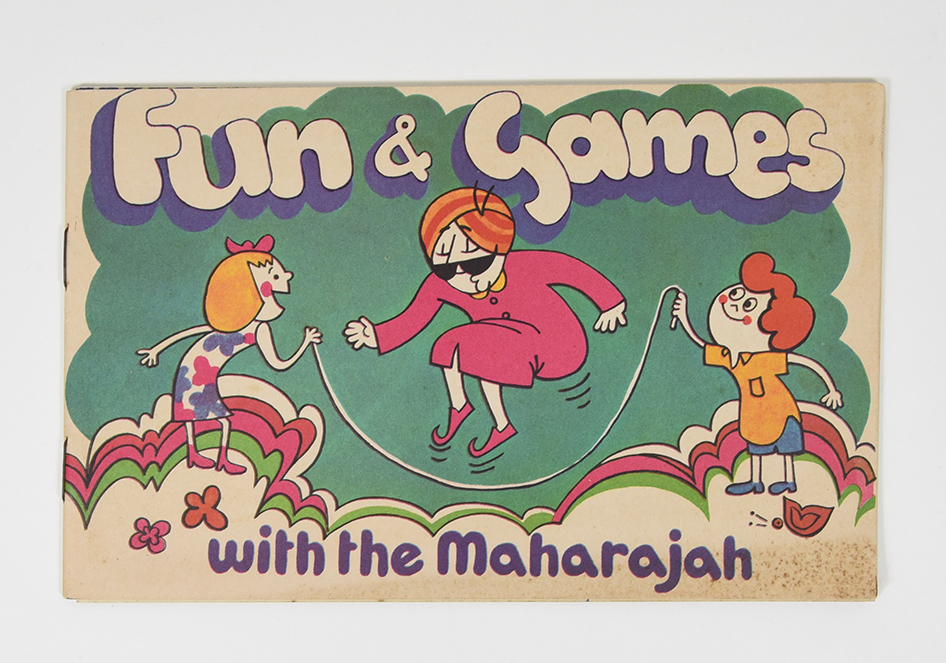
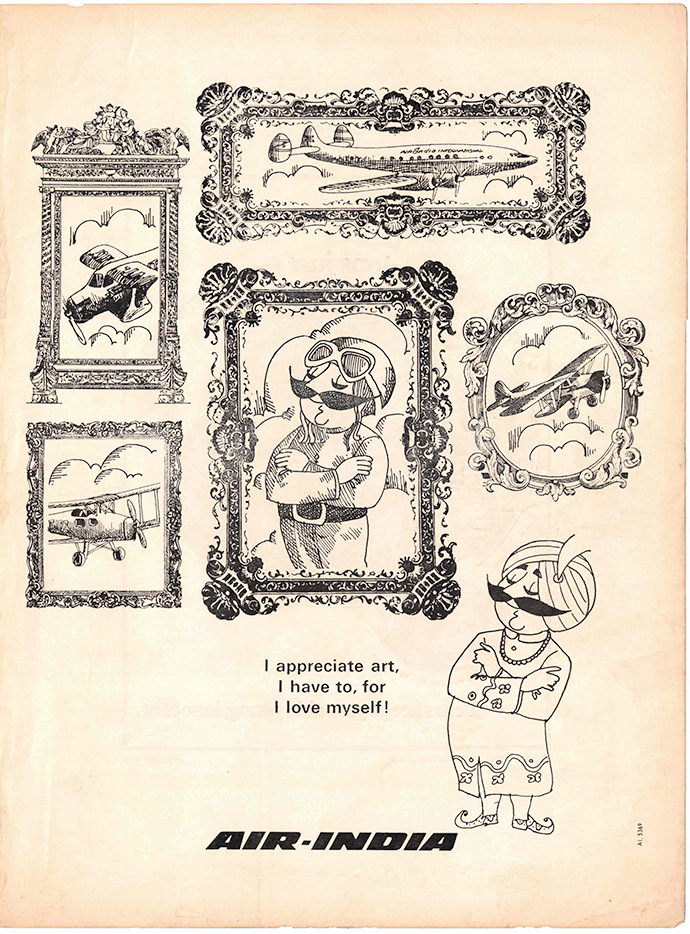
The Rogue’s Gallery, published by Air-India in 1977, was a catalog showcasing the most iconic travel posters produced by the airline between 1946 and 1972. The star of these posters was Air-India’s beloved mascot, the Maharaja, alias “the Rogue.” Conceived in 1946 by Bobby Kooka and illustrated by Umesh Rao, the Maharaja was initially designed for an in-flight memo pad. The corpulent mascot, characterized by his oversized mustache, striped turban, and aquiline nose, would go on to represent the airline and propel the company to the forefront of advertising design.
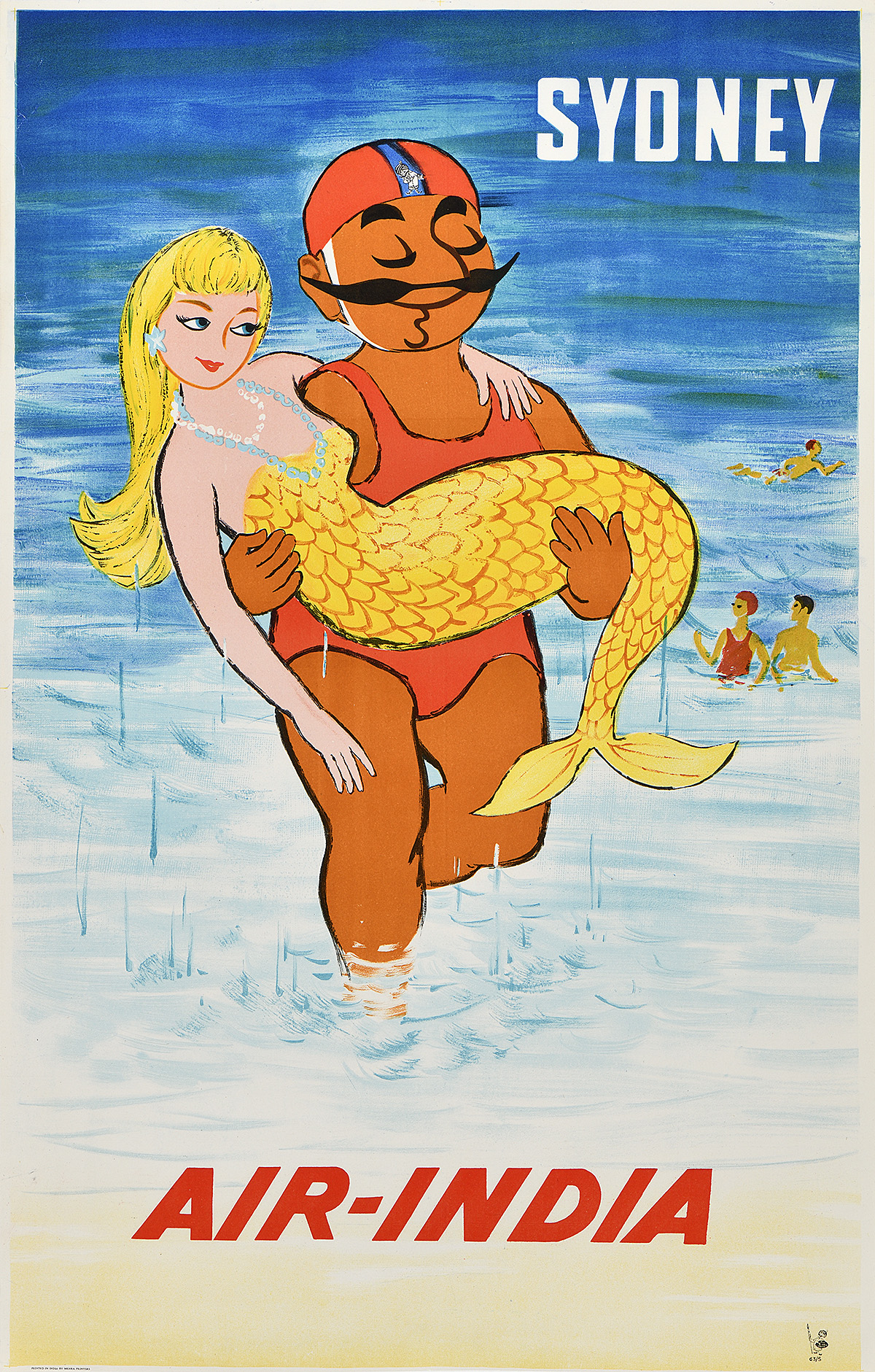
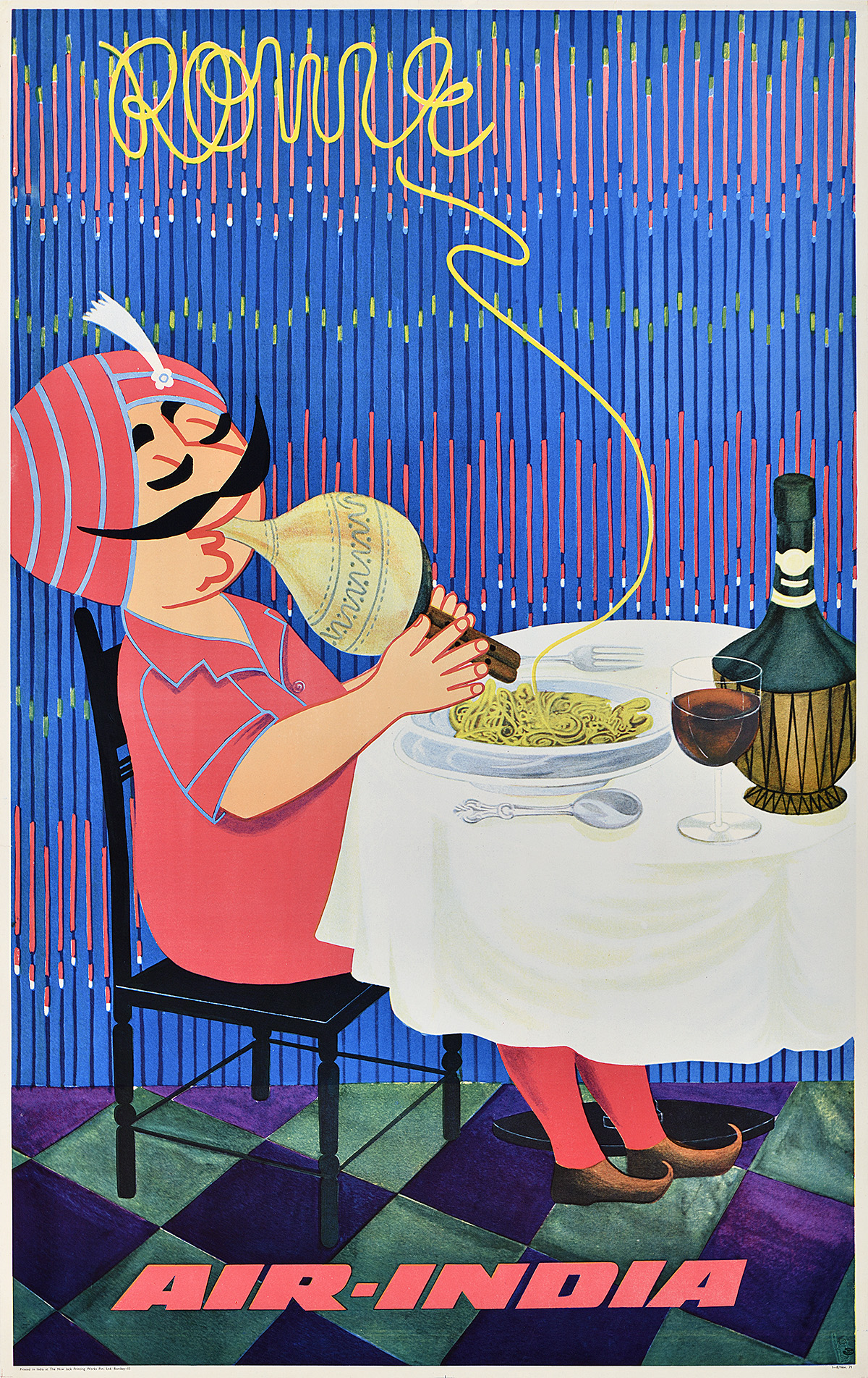
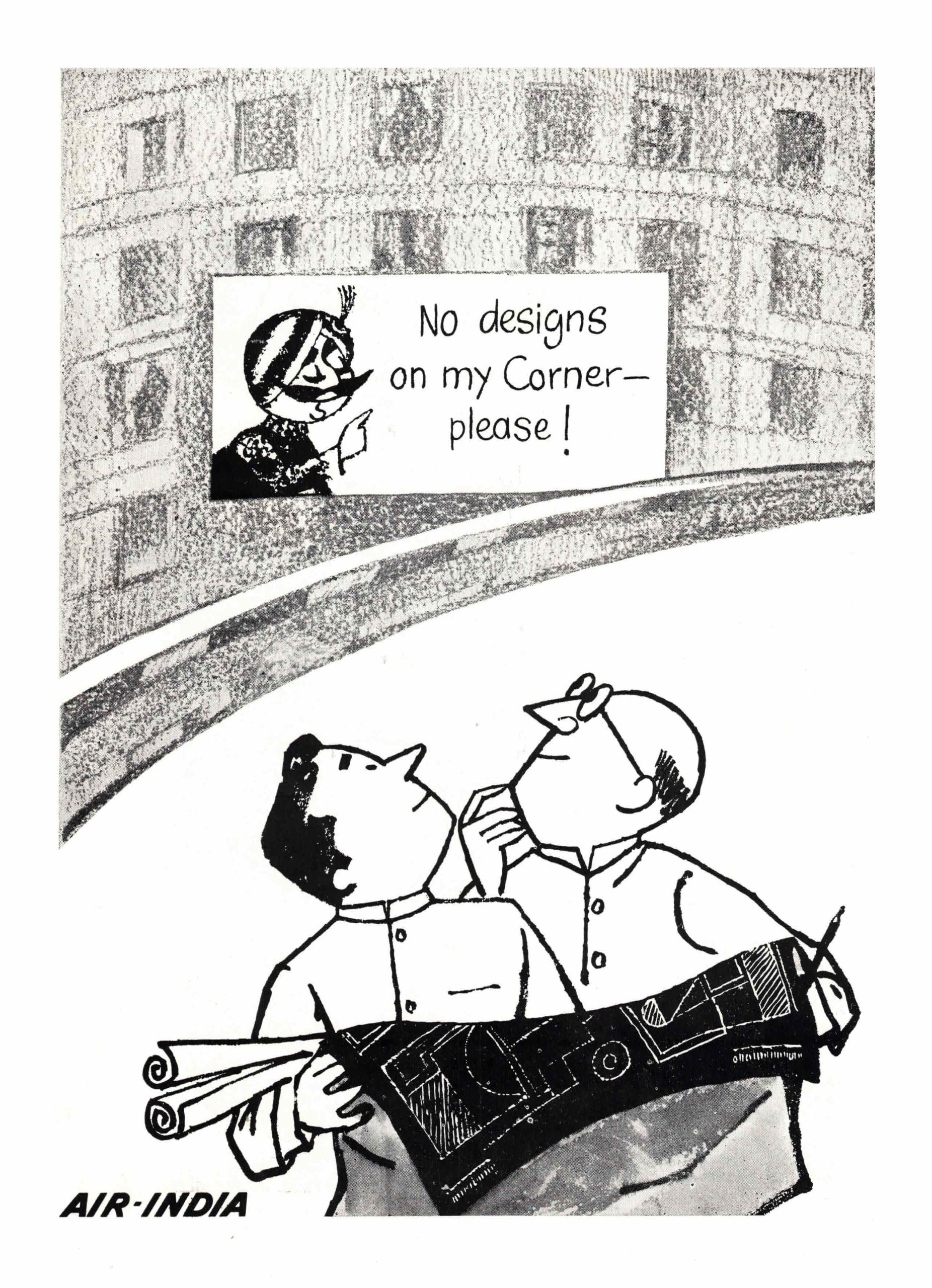
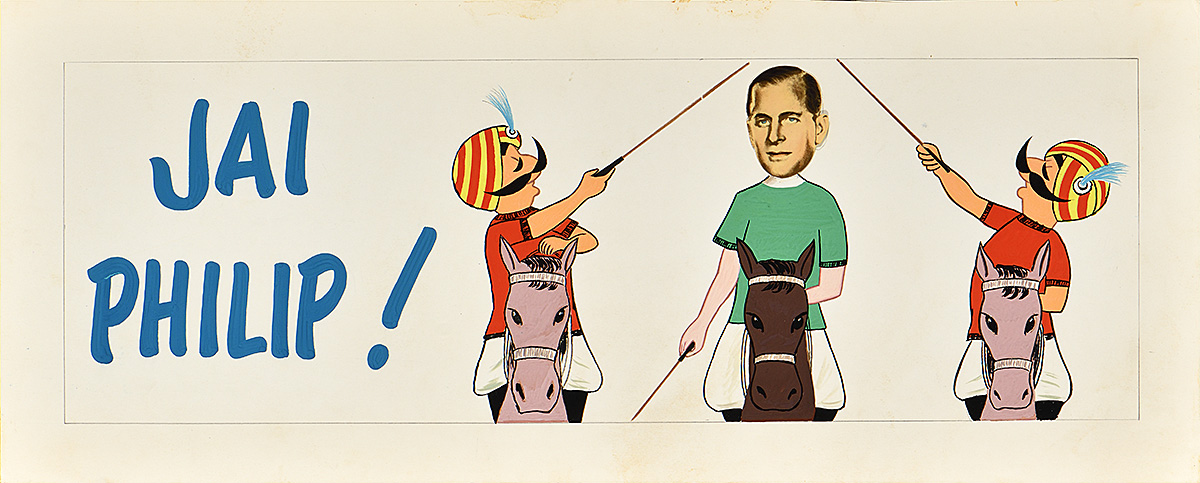
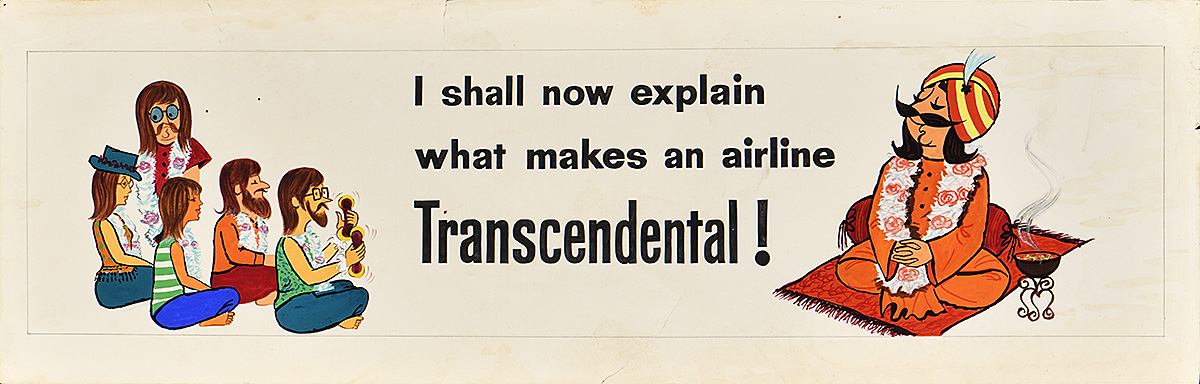
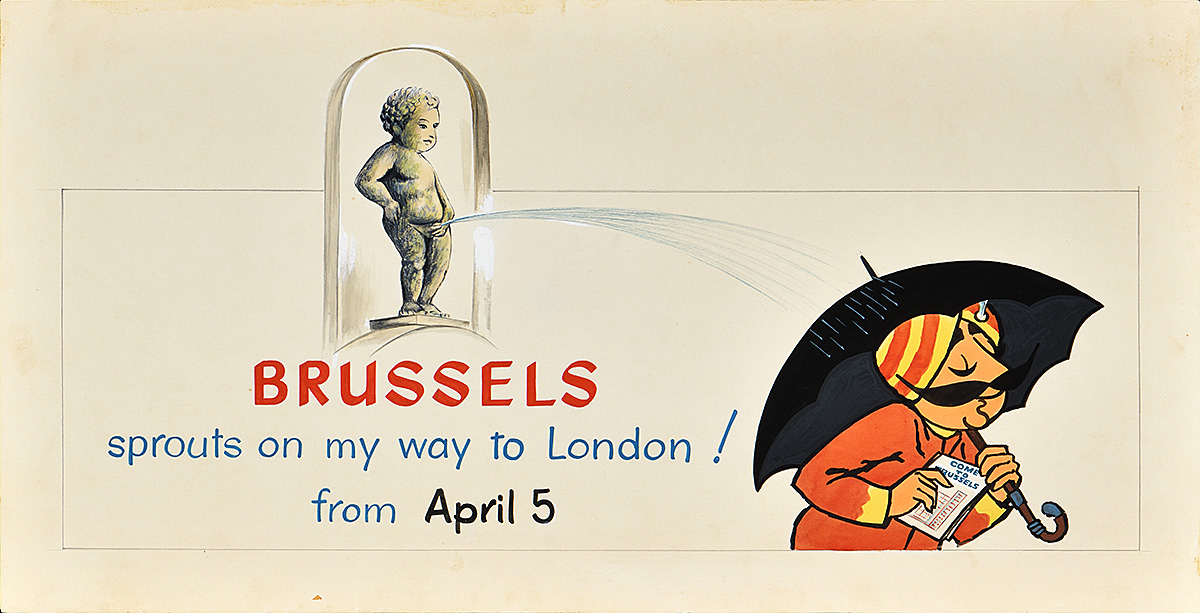
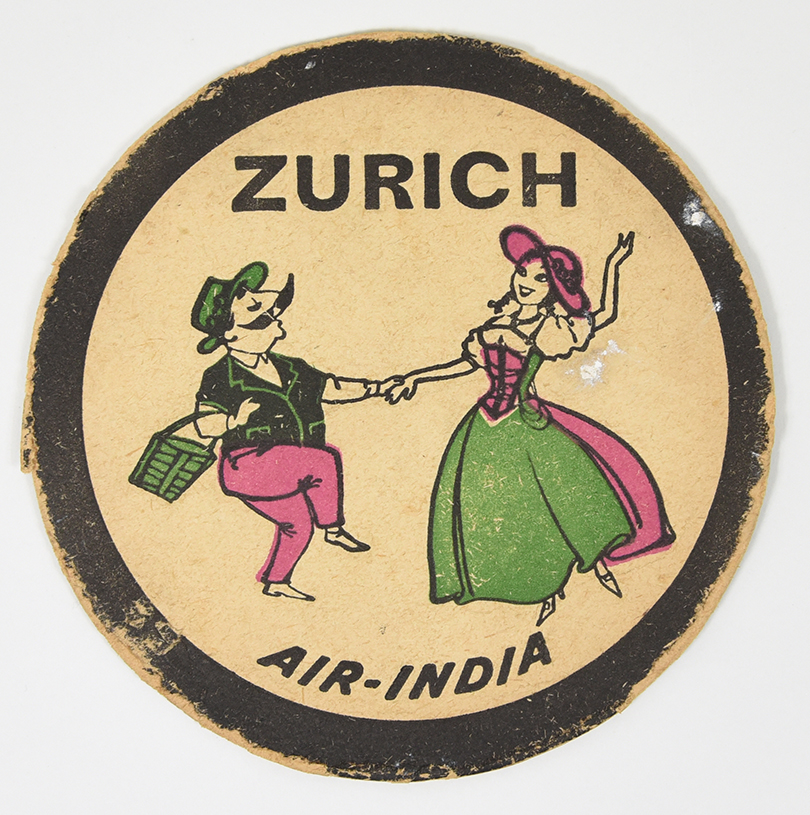
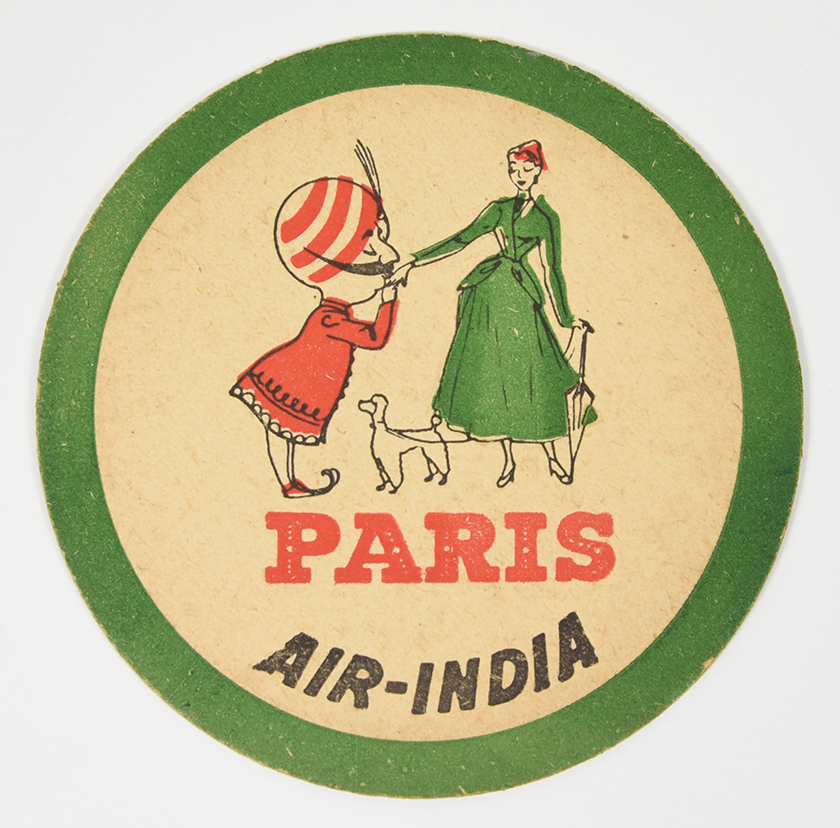
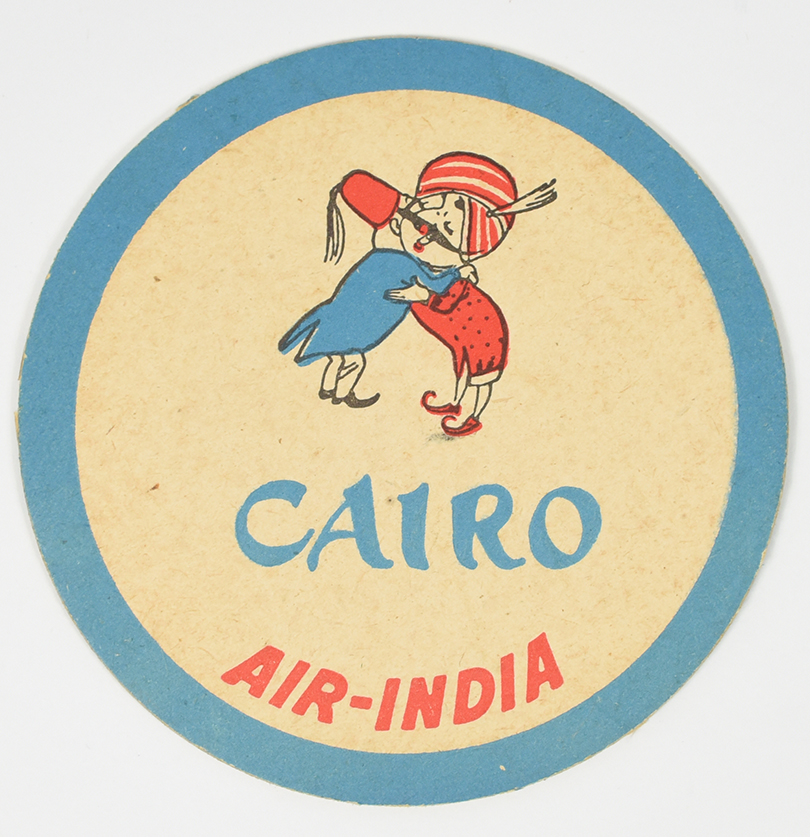
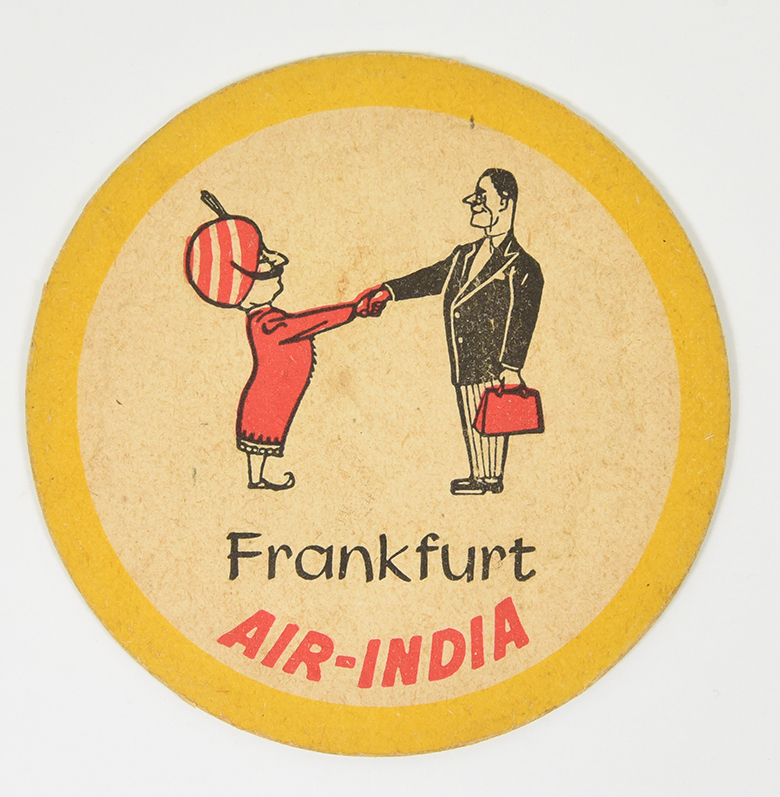
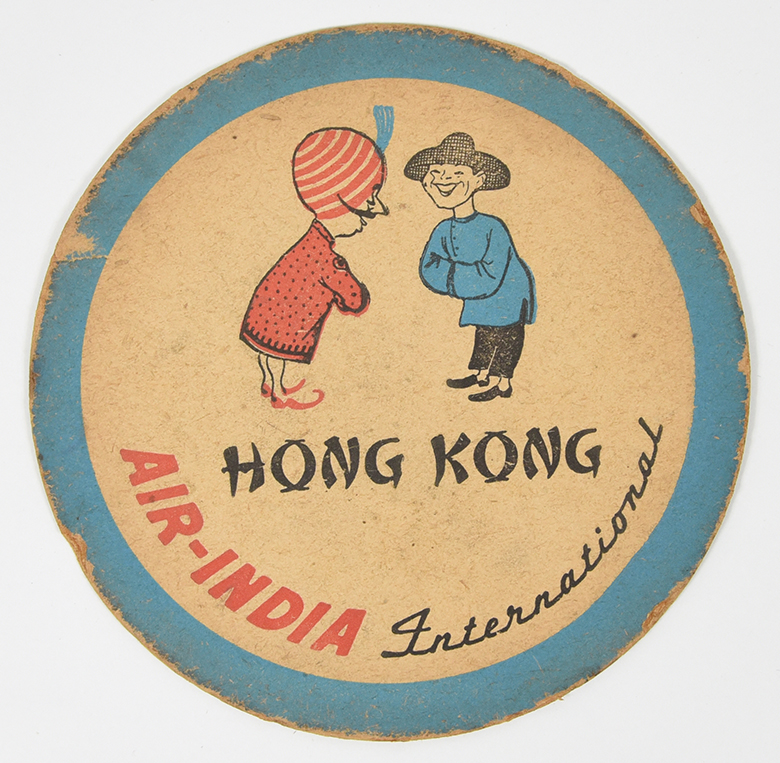
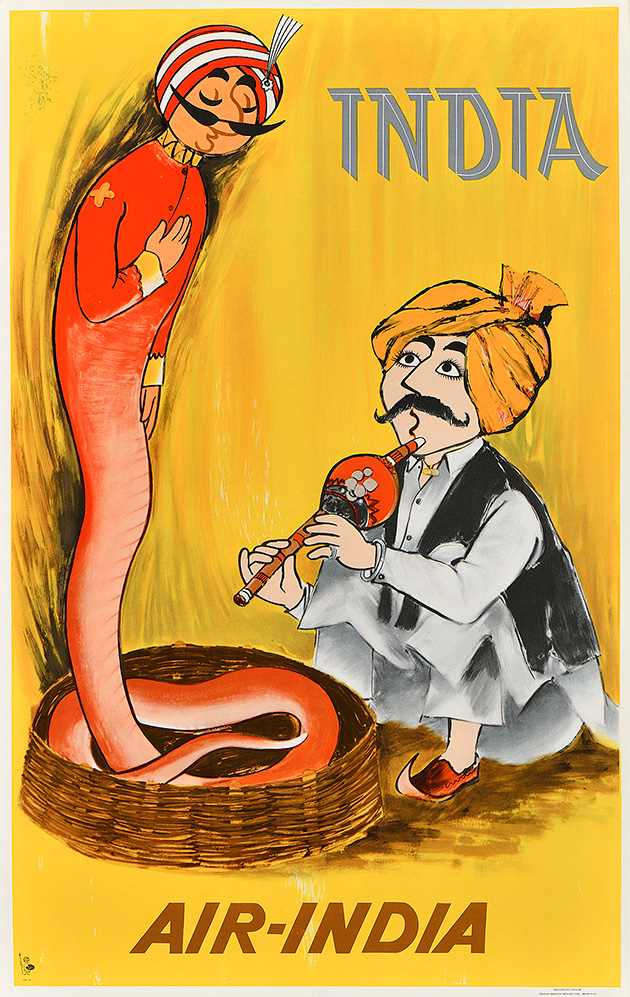
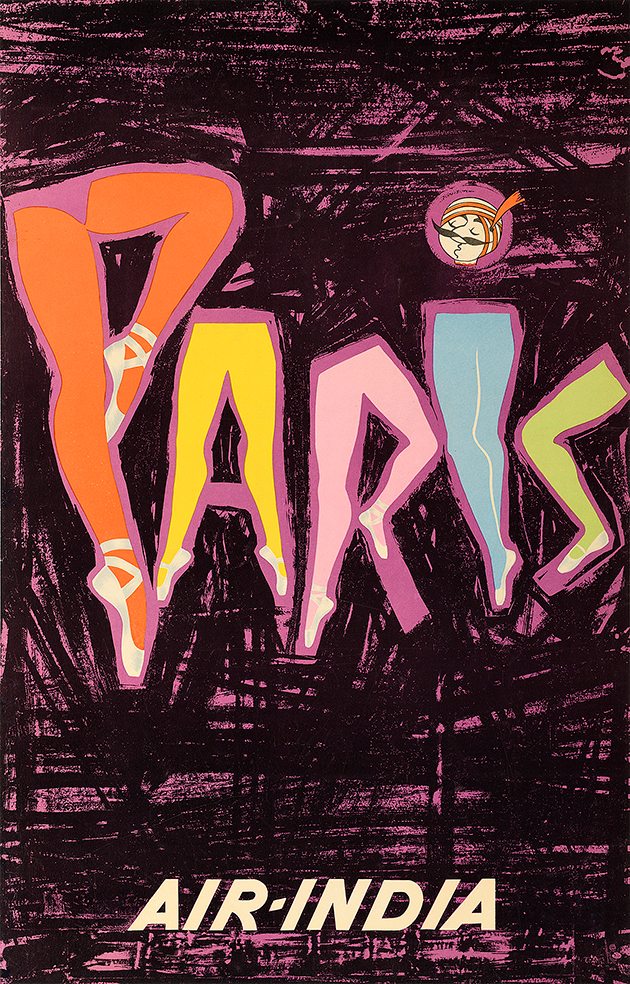
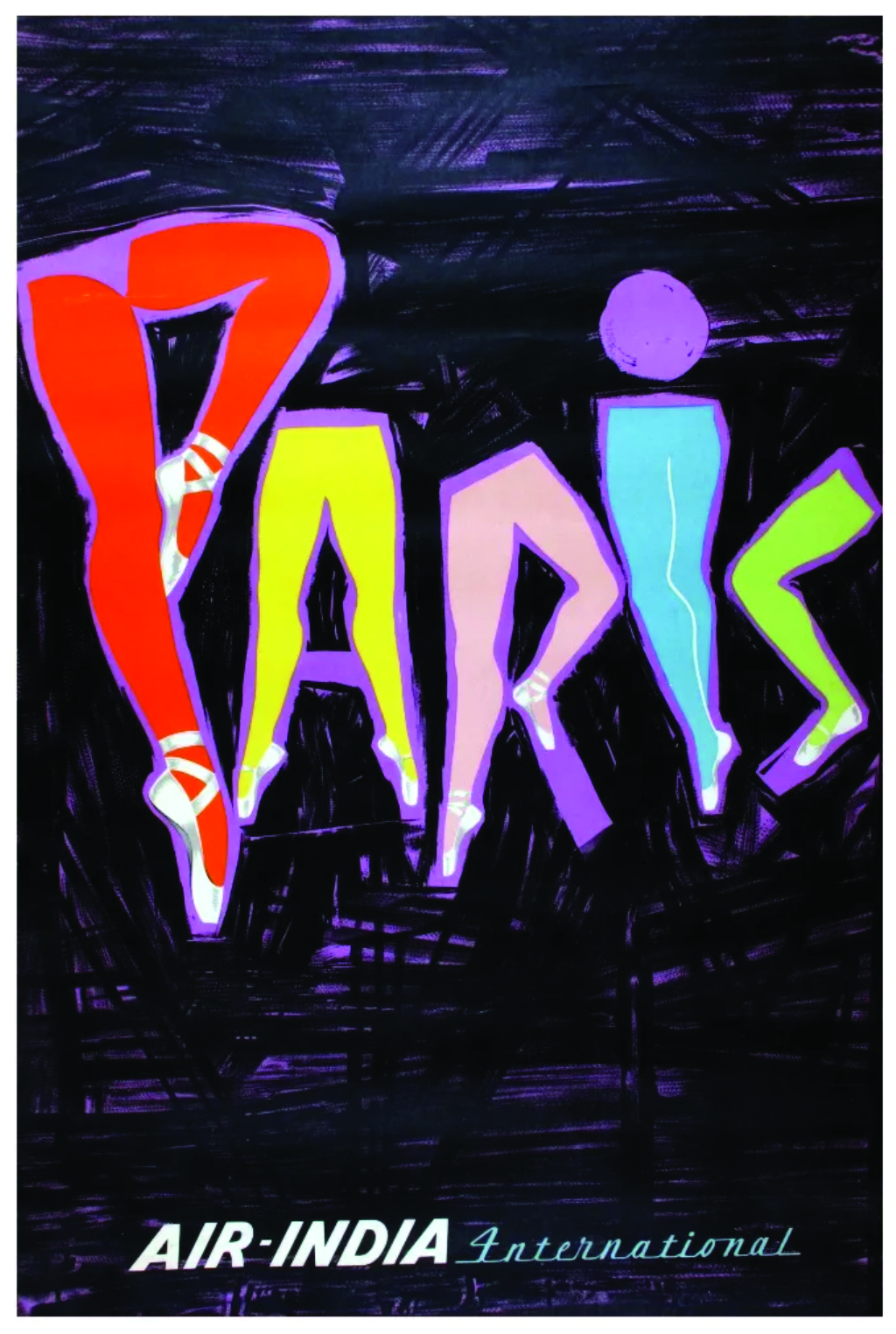
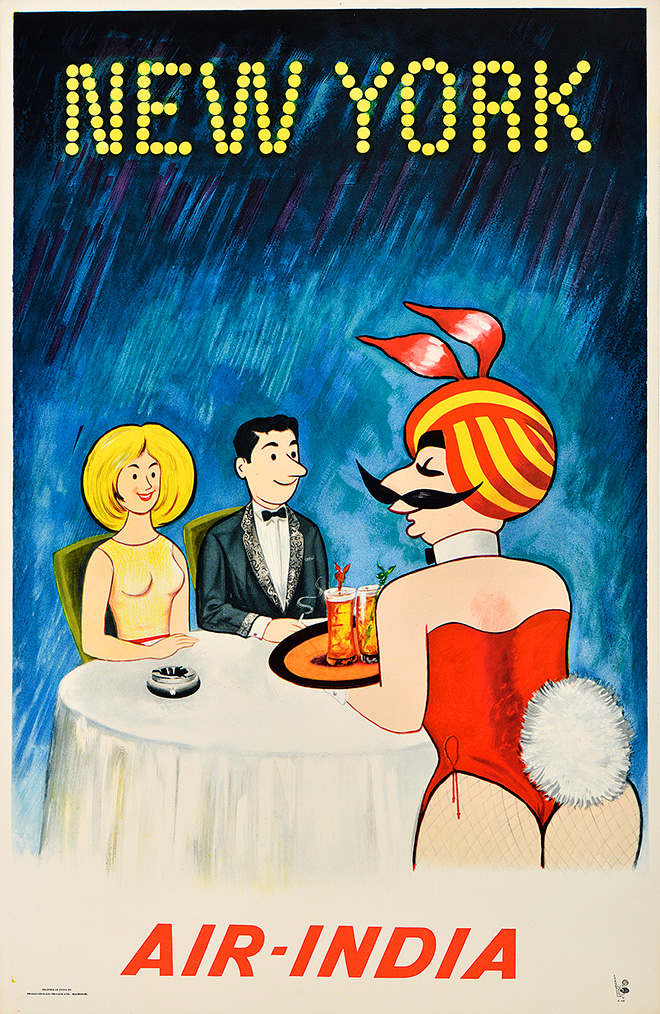
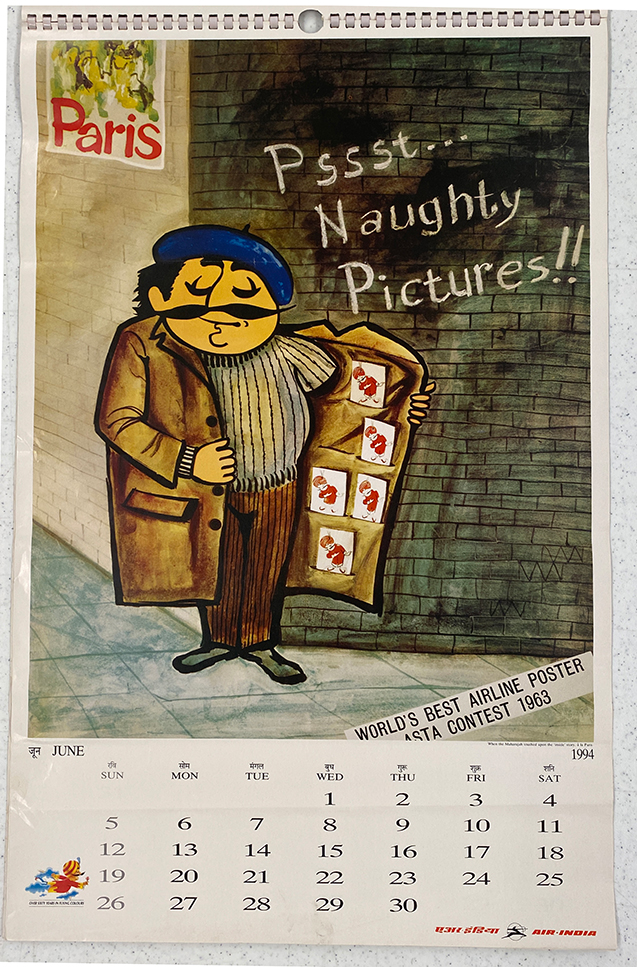
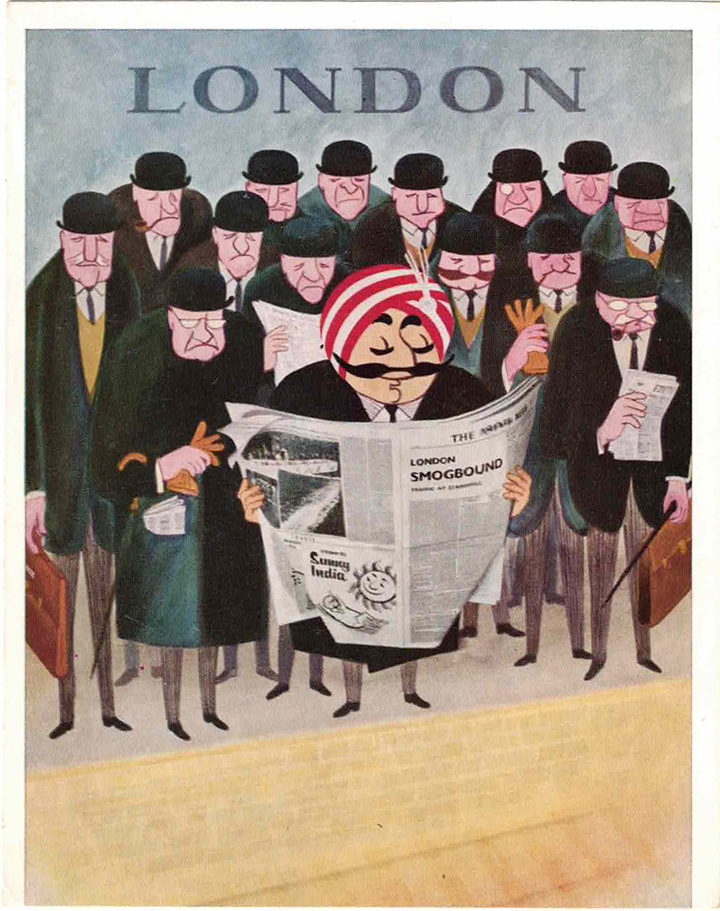
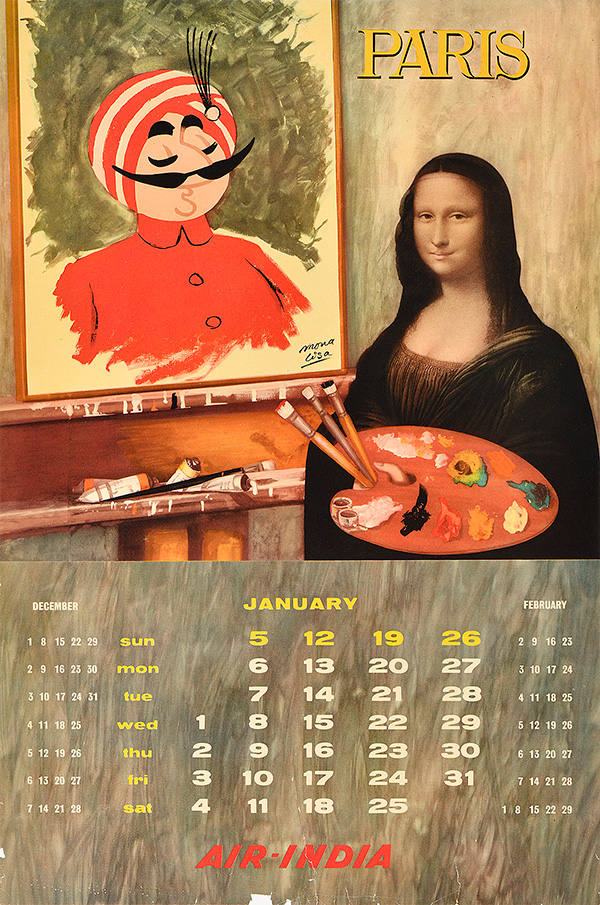
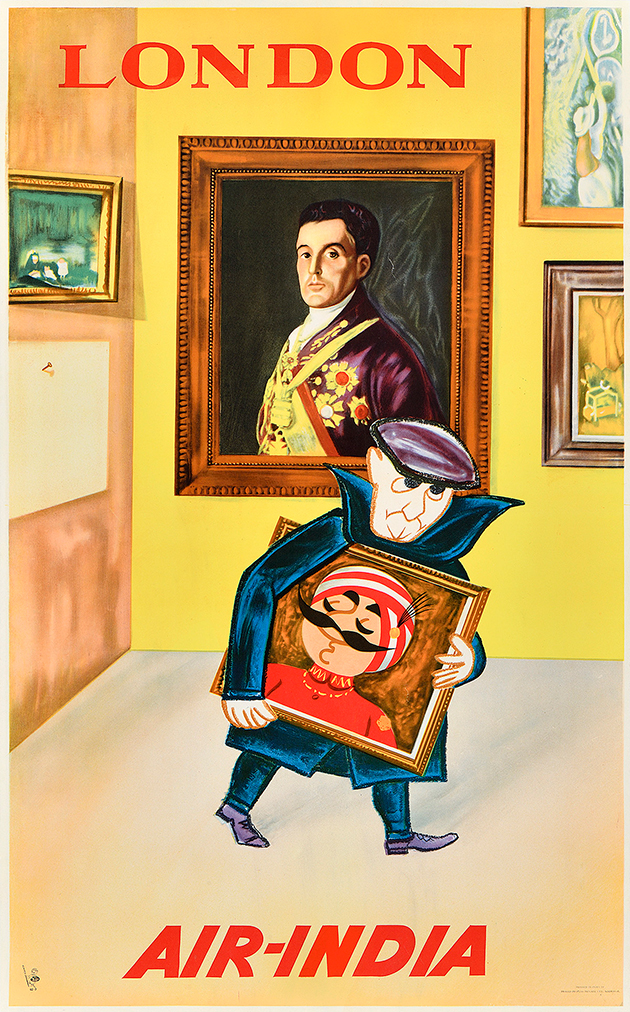
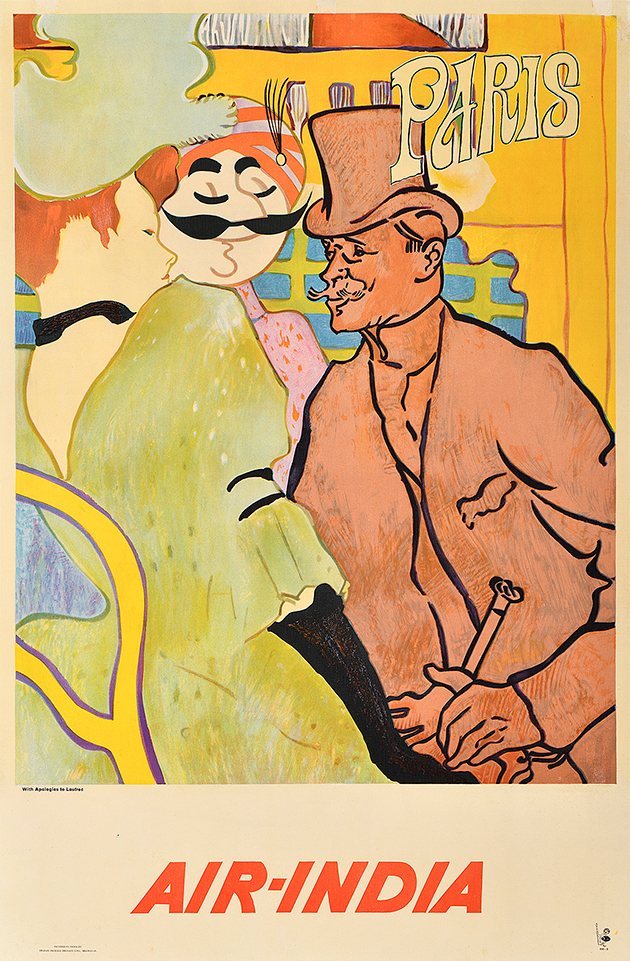
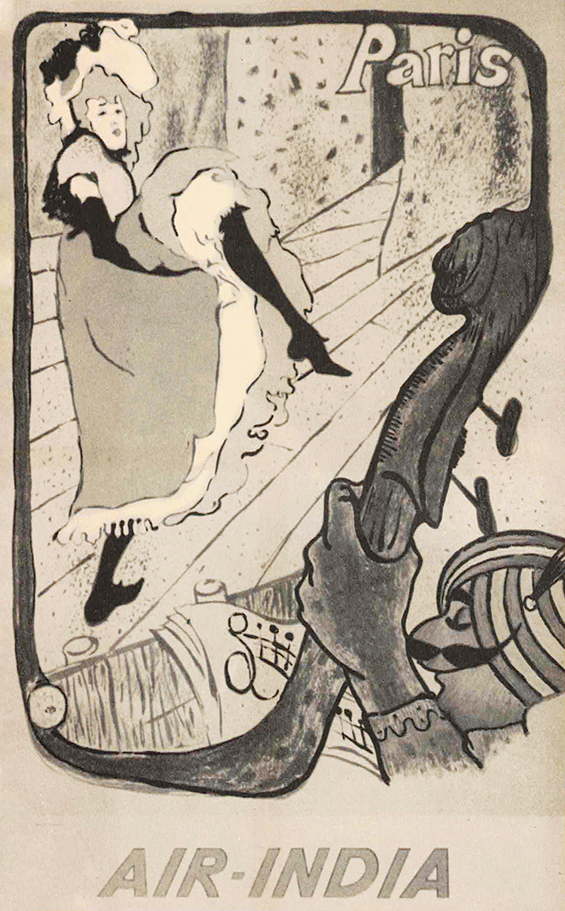
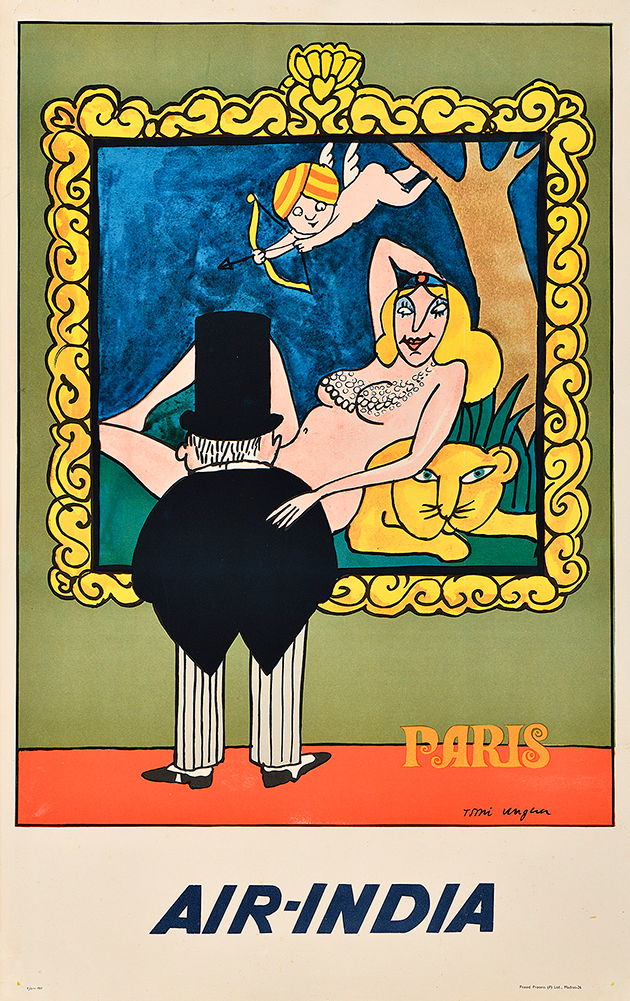
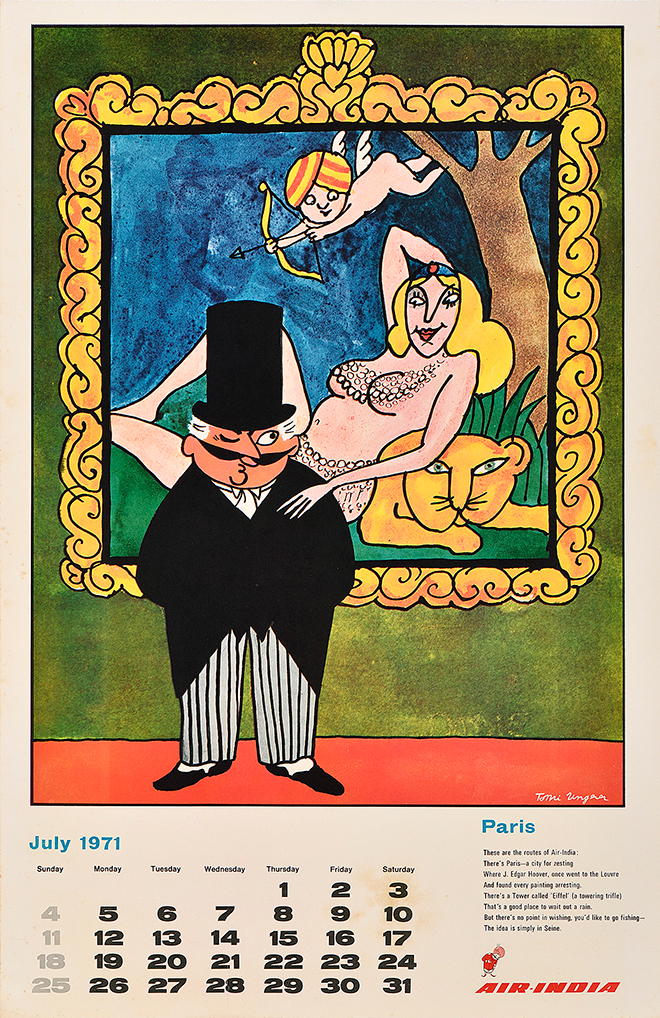
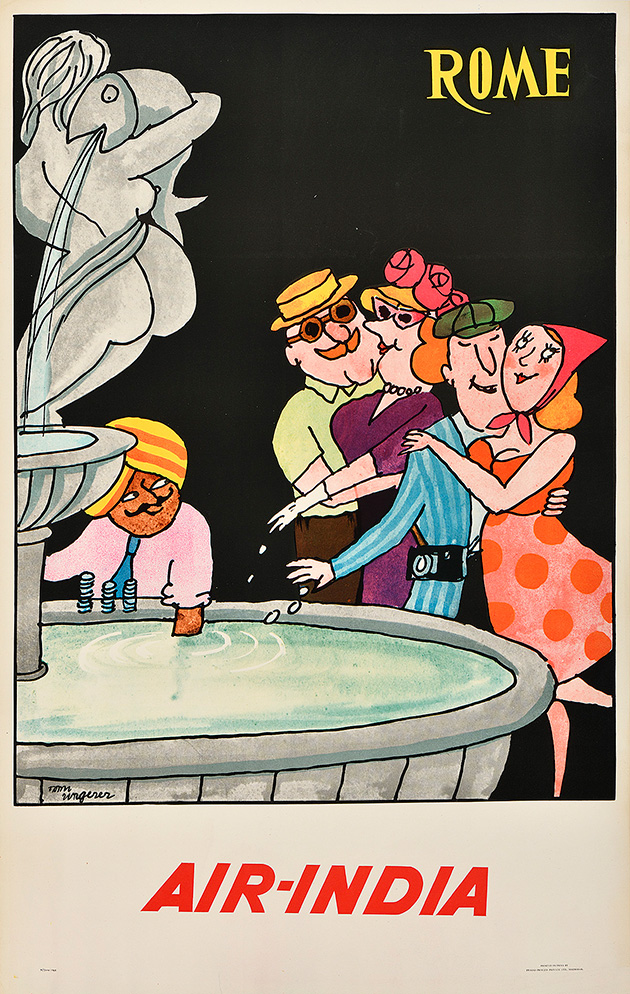
The Maharaja’s birth coincided with that of a new nation, and, ironically, with the end of princely rule in India. As the former maharajas (rulers of the principal native states of India) were ushered out of their positions in society and politics, the Air-India Maharaja rose to fame, soon becoming a household name. He was the perfect symbol for a rapidly expanding company that sought to stake its claim in international tourism. As one of the world’s least-inhibited travelers, the Maharaja developed a reputation for his daring and panache, adopting different personas in every destination—a snake charmer in India, a monk in Rome, a lover boy in Paris, and even a Playboy Bunny in New York.
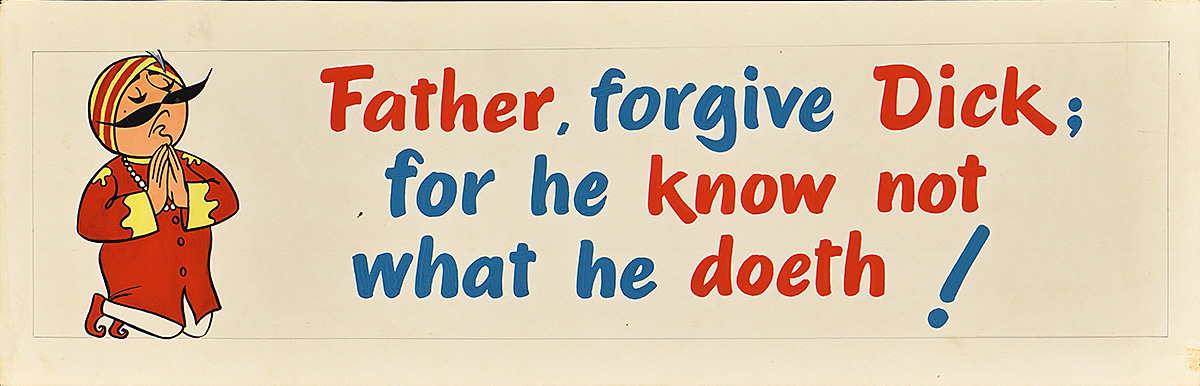
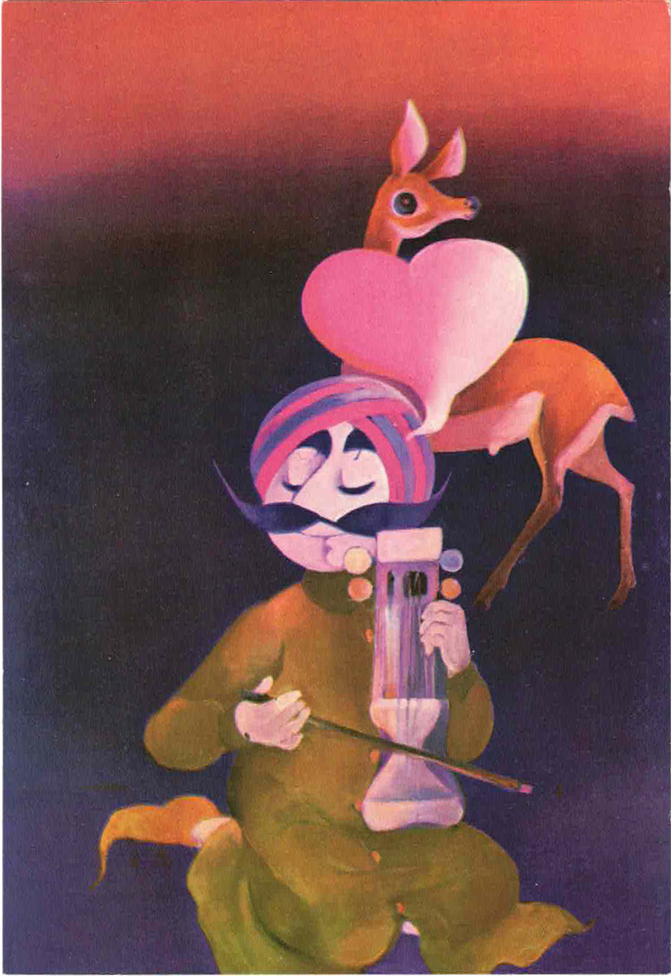
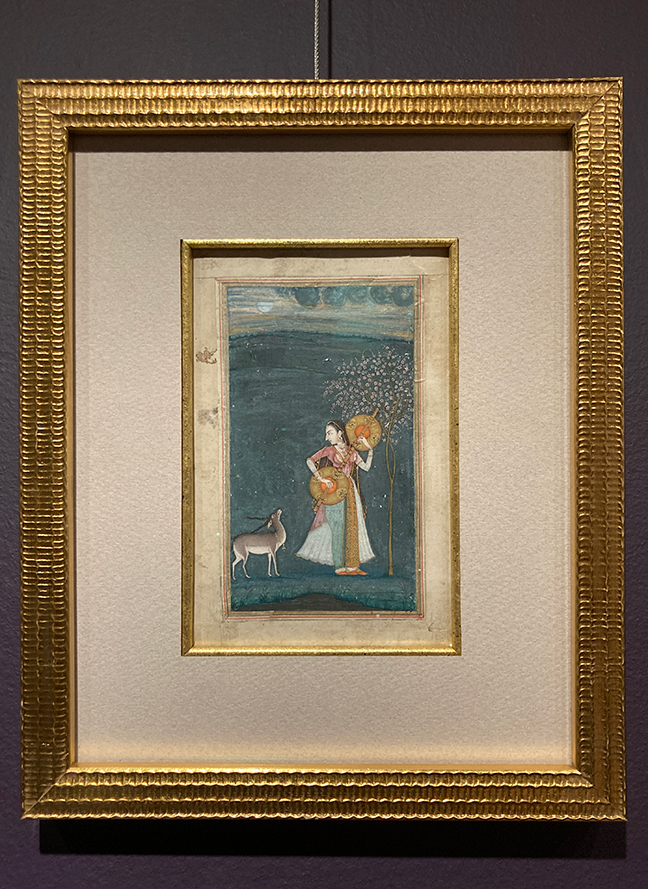
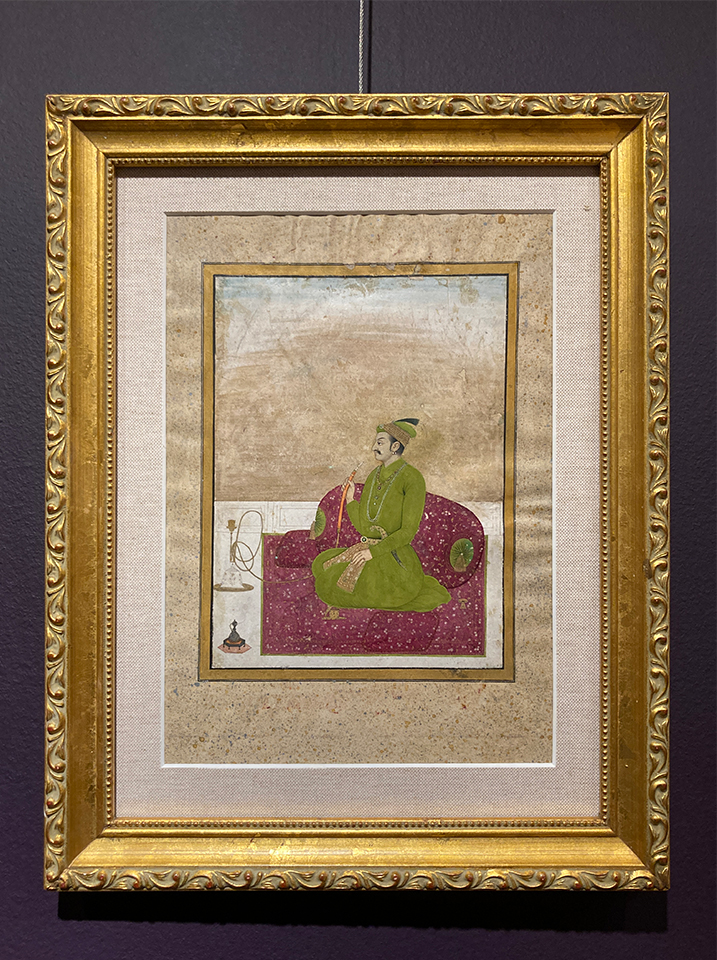
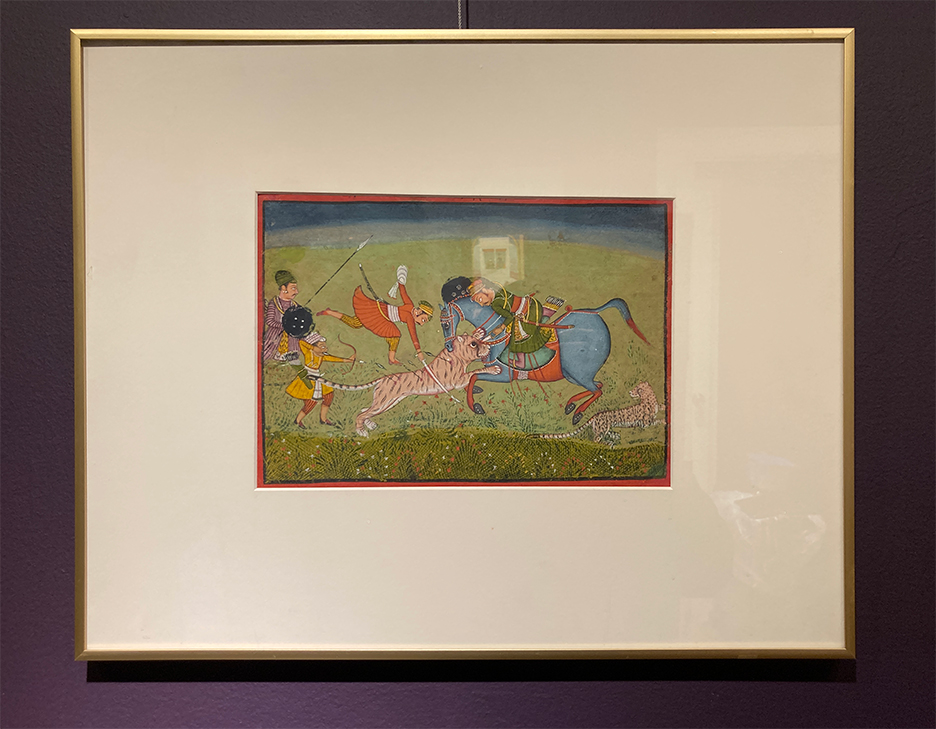
The Maharaja, however, experienced his fair share of controversy over the years—Air-India was repeatedly asked by prominent international figures to rescind advertisements they found to be shocking or insulting. Despite the complaints of ill-humored politicians, the Maharaja and his cutting-edge design earned the company numerous advertising awards and a legion of loyal fans. Rendered in styles inspired by sources as diverse as Indian ragamalas (a form of Indian miniature painting) and the Belle Époque posters of Henri de Toulouse-Lautrec, the Maharaja became renowned not just for his mischief, but also for his iconic design. While the Maharaja remains Air-India’s mascot to this day, he is most fondly and widely remembered for his prominent role during India’s golden age of advertising.
This exhibition was created in partnership with Kapoor Galleries in New York City and Indo-American Arts Council.
Unless otherwise noted, all posters are part of the Poster House Permanent Collection.